
Commonground Golf Course – Played Summer 2024
- Rankings: None of my four lists
- Location: 10300 E Golfers Way, Aurora, Colorado
- Year: 2009
- Architect: Tom Doak
- Additional Work By: Bruce Hepner, Eric Iverson, & Jim Urbina
- Course Access: Municipal
- Walking Rules: Carts & Caddies Available
Score Card Information:
- Black: 7,130 yards, Par 71, 73.0 Rating/131 Slope
- Black/Gold: 6,843 yards, Par 71, 71.3 Rating/128 Slope
- Gold: 6,644 yards, Par 71, 70.4 Rating/126 Slope (Men’s), 76.7 Rating/145 Slope (Women’s)
- Gold/White: 6,447 yards, Par 71, 69.5 Rating/122 Slope (Men’s), 75.6 Rating/142 Slope (Women’s)
- White: 6,305 yards, Par 71, 68.9 Rating/119 Slope (Men’s), 74.9 Rating/140 Slope (Women’s)
- White/Red: 5,821 yards, Par 71, 67.0 Rating/111 Slope (Men’s), 72.3 Rating/132 Slope (Women’s)
- Red: 5,463 yards, Par 71, 65.0 Rating/108 Slope (Men’s), 70.0 Rating/126 Slope (Women’s)
- Purple: 4,795 yards, Par 71, 61.8 Rating/100 Slope (Men’s), 66.2 Rating/115 Slope (Women’s)
Last summer, I headed out to Colorado for an event with No Laying Up (more on that later). My first stop was at Bellerive and my second was at Commonground Golf Course, just outside of Denver. The complex is meant to be a hub for public golf and it certainly does that. Rates are discounted for Colorado Golf Association members, so non-locals pay a bit of a premium. I like this model for a course since it keeps cost down for the locals.
Commonground was opened in 2009, but they really got cooking in 2012 when they founded their caddie program. The Solich Caddie & Leadership Academy runs a two-year training program for caddies starting upon completion of their eighth grade year. Once they finish the program, they can be placed into a local caddie program in the Denver metro area. In addition, there is a community service component to the program.
This is an outstanding mission. The gutting of caddie programs across the country has hindered many kids from getting into the game in an affordable way. Whatever courses can do to stem that tide is admirable.
With that uplifting start, let’s get into the tour.
Hole 1 – 438 yards – Par 4
Commonground gets started with a difficult test. The altitude and a windy site can make this play shorter, but you’ll most likely be working for a par. Big hitters can challenge the bunkers up the left side to shorten the approach shot.

Hole 2 – 129 yards – Par 3
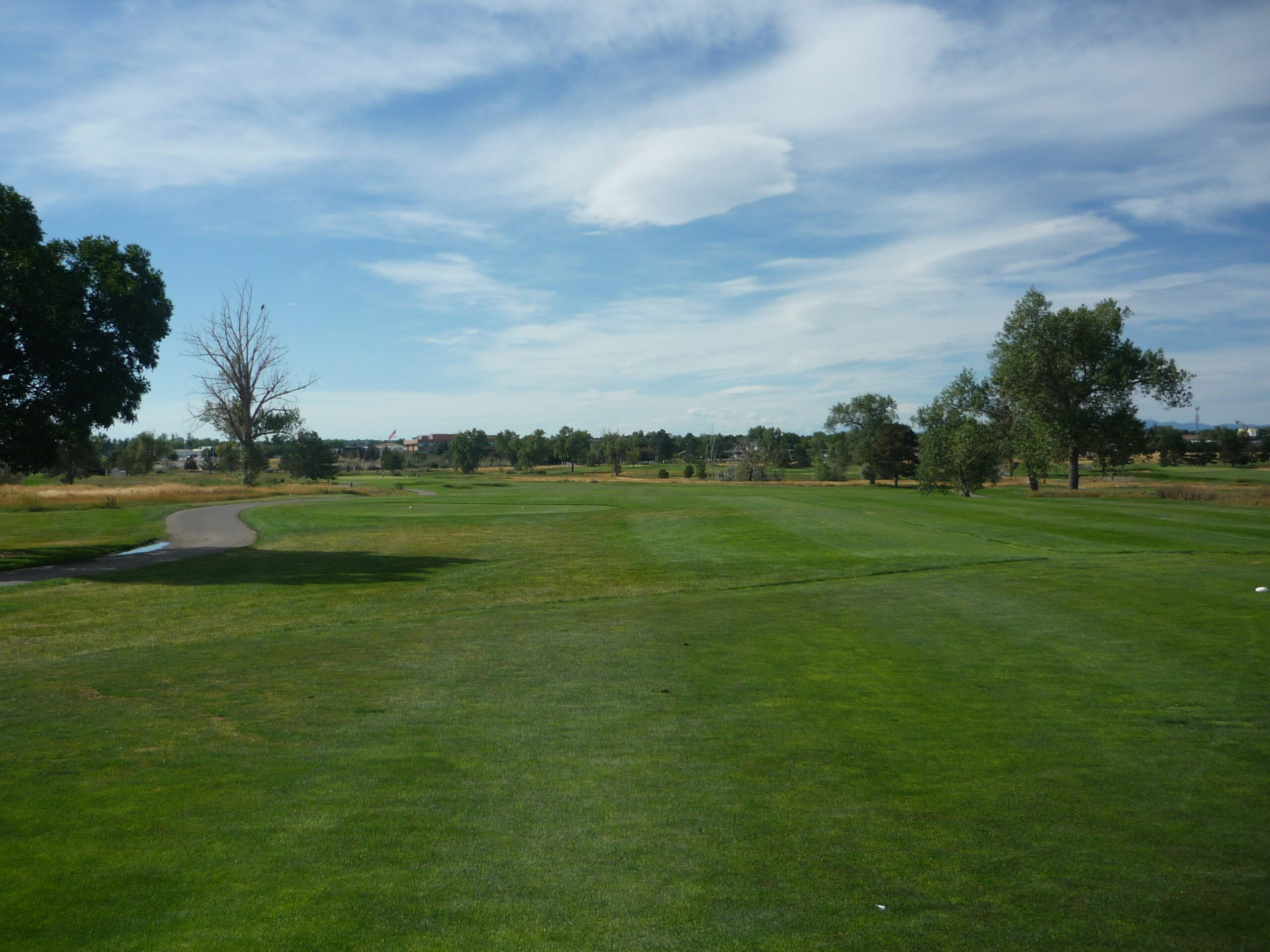
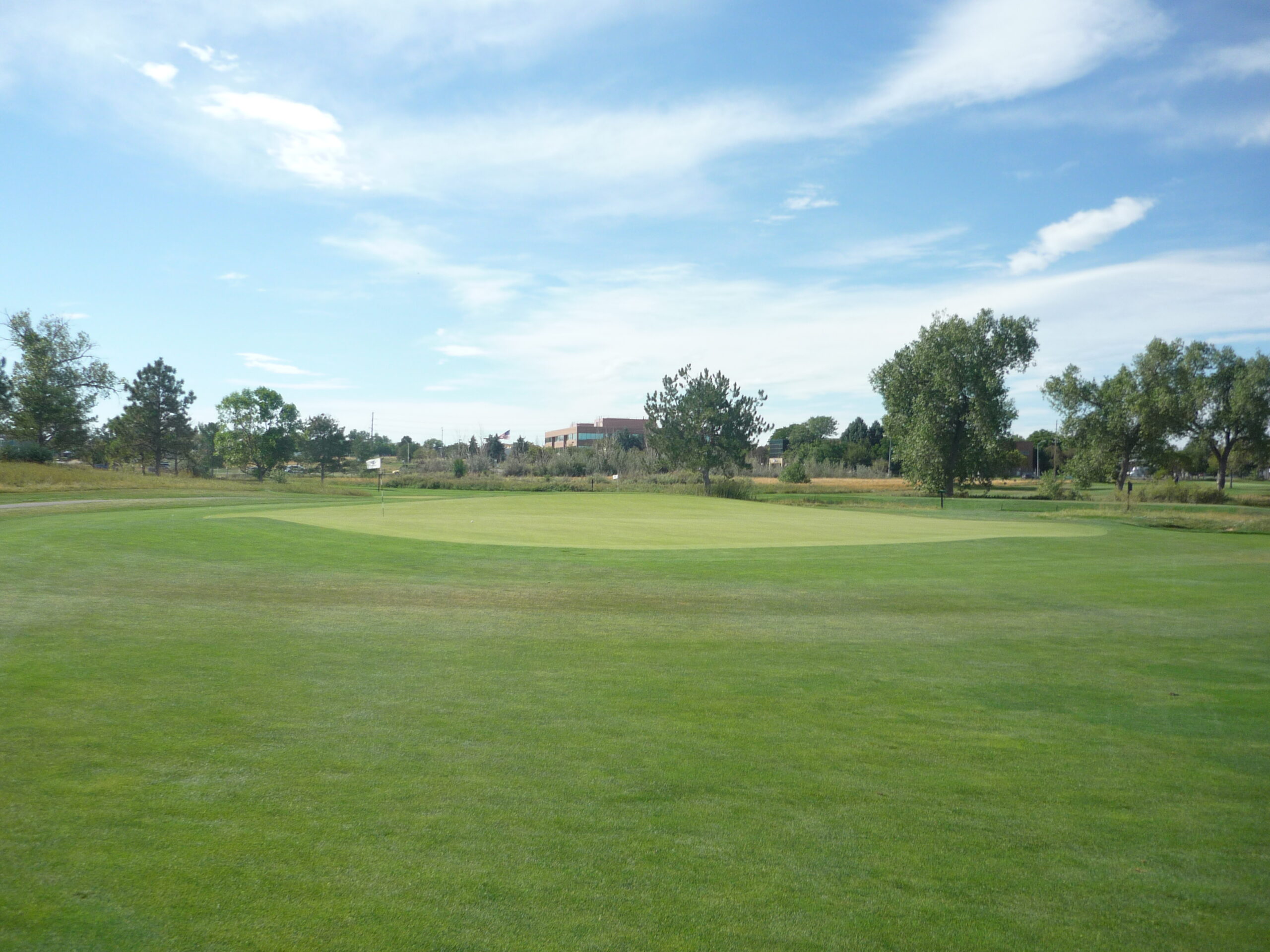
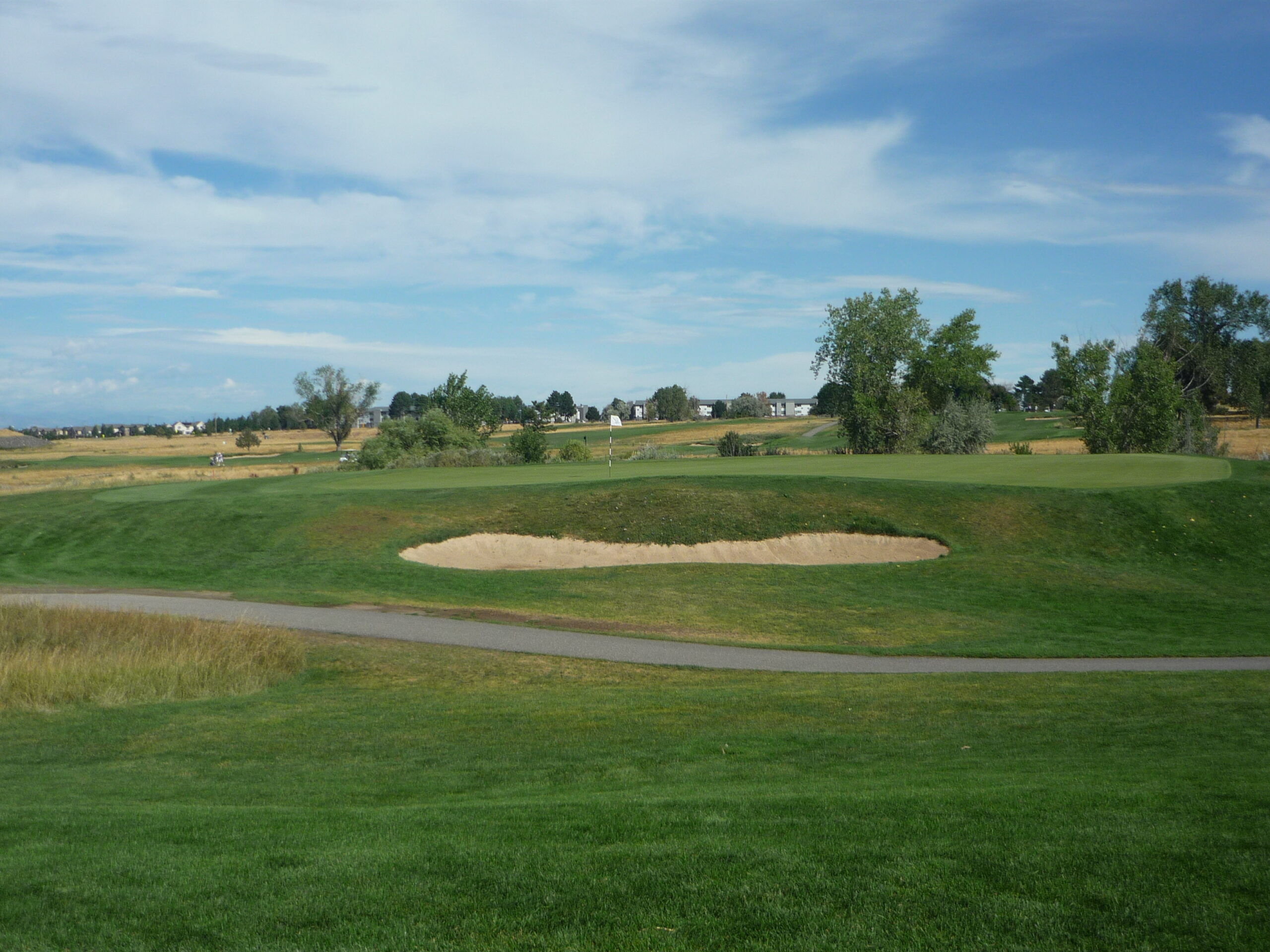
This elevated green can provide a challenge when the wind is up. It’s pretty short but any misfire will get rejected by the slopes.
Hole 3 – 556 yards – Par 5
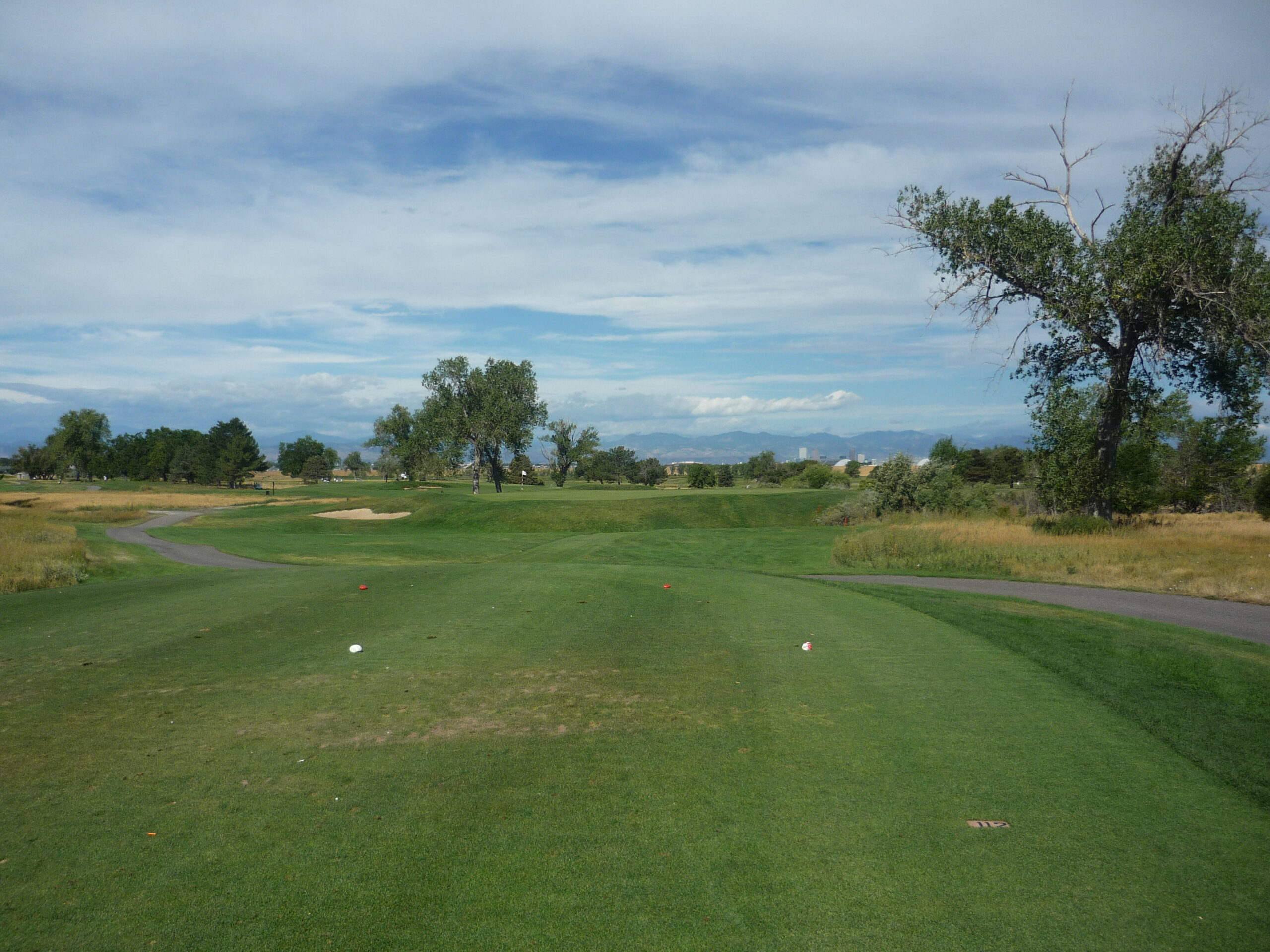
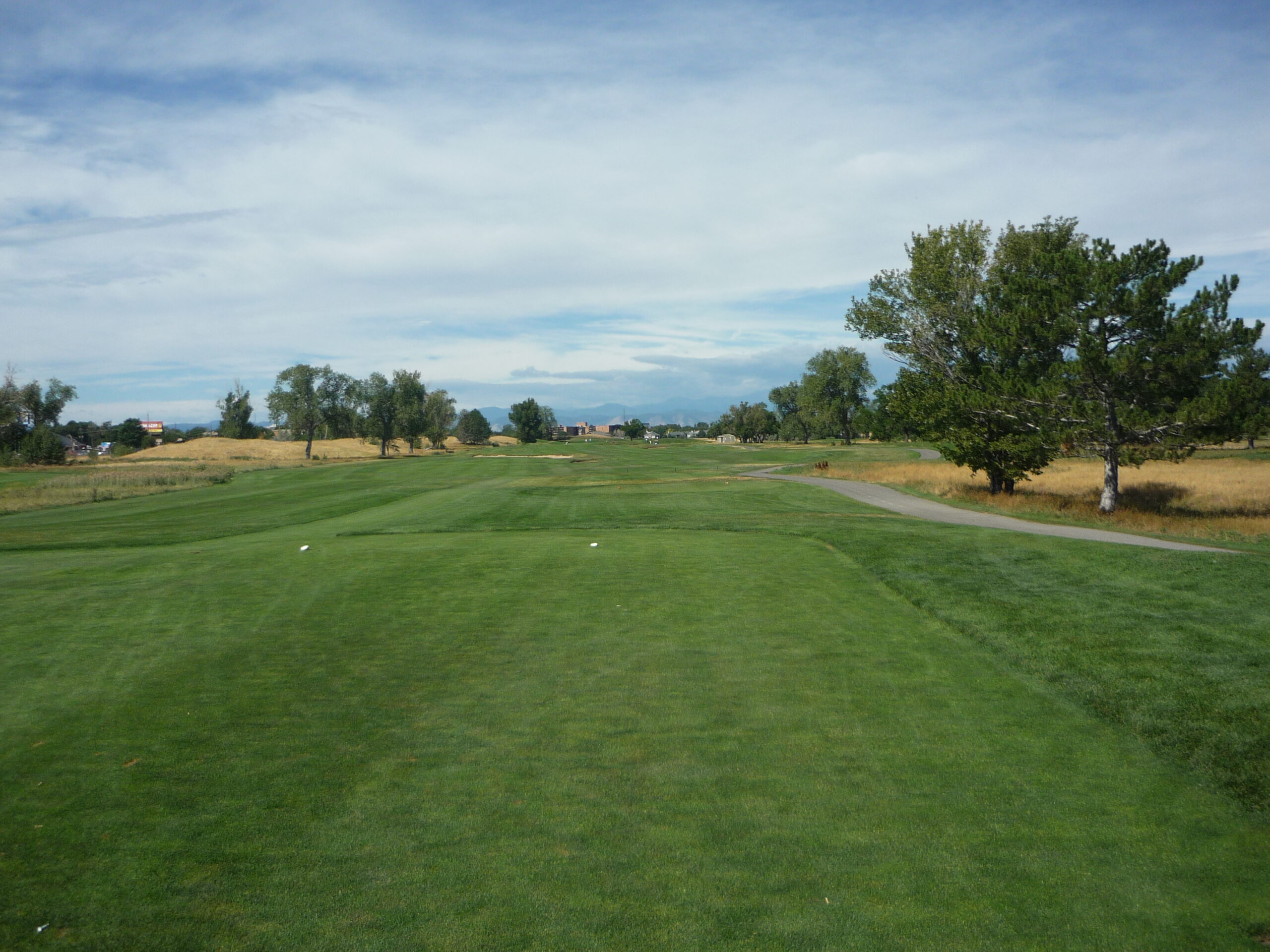
This is a long, straight hole that has a generous fairway. If you are not used to playing at altitude, this is the first real opportunity to let one fly.
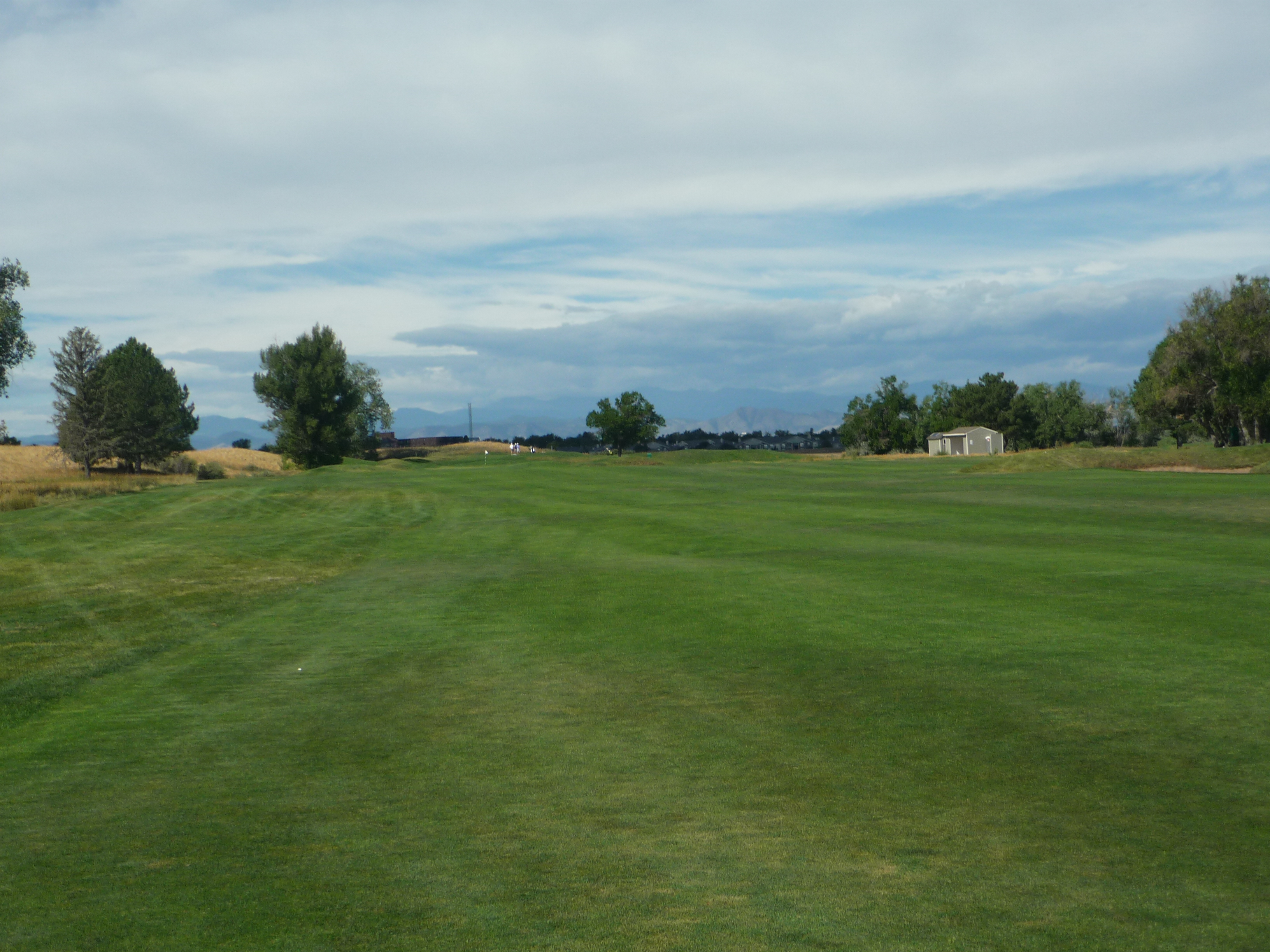
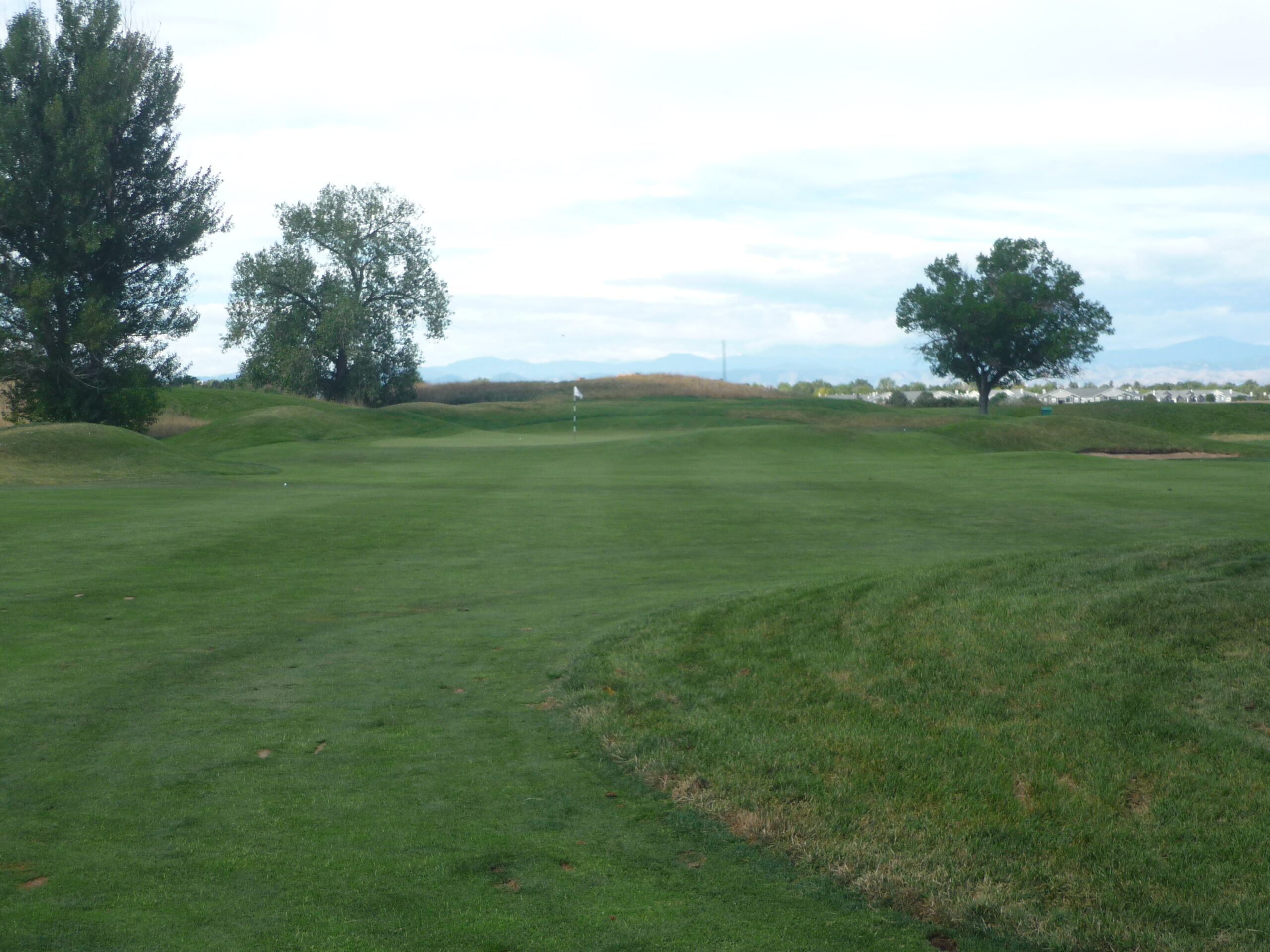
The green site offers plenty of options of attack. You can certainly run up a second shot or come in via the air if you’re a longer hitter.
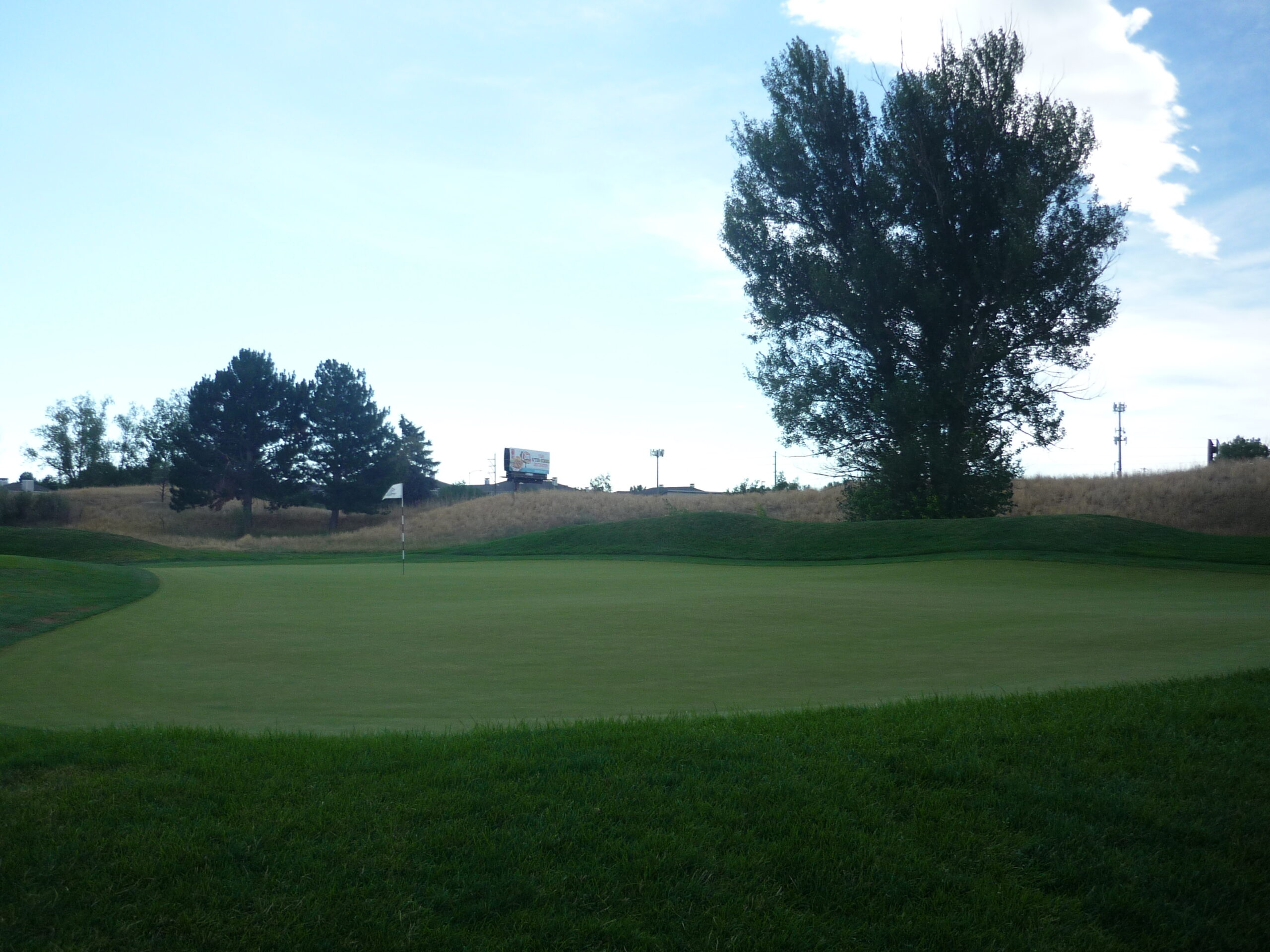
Hole 4 – 388 yards – Par 4
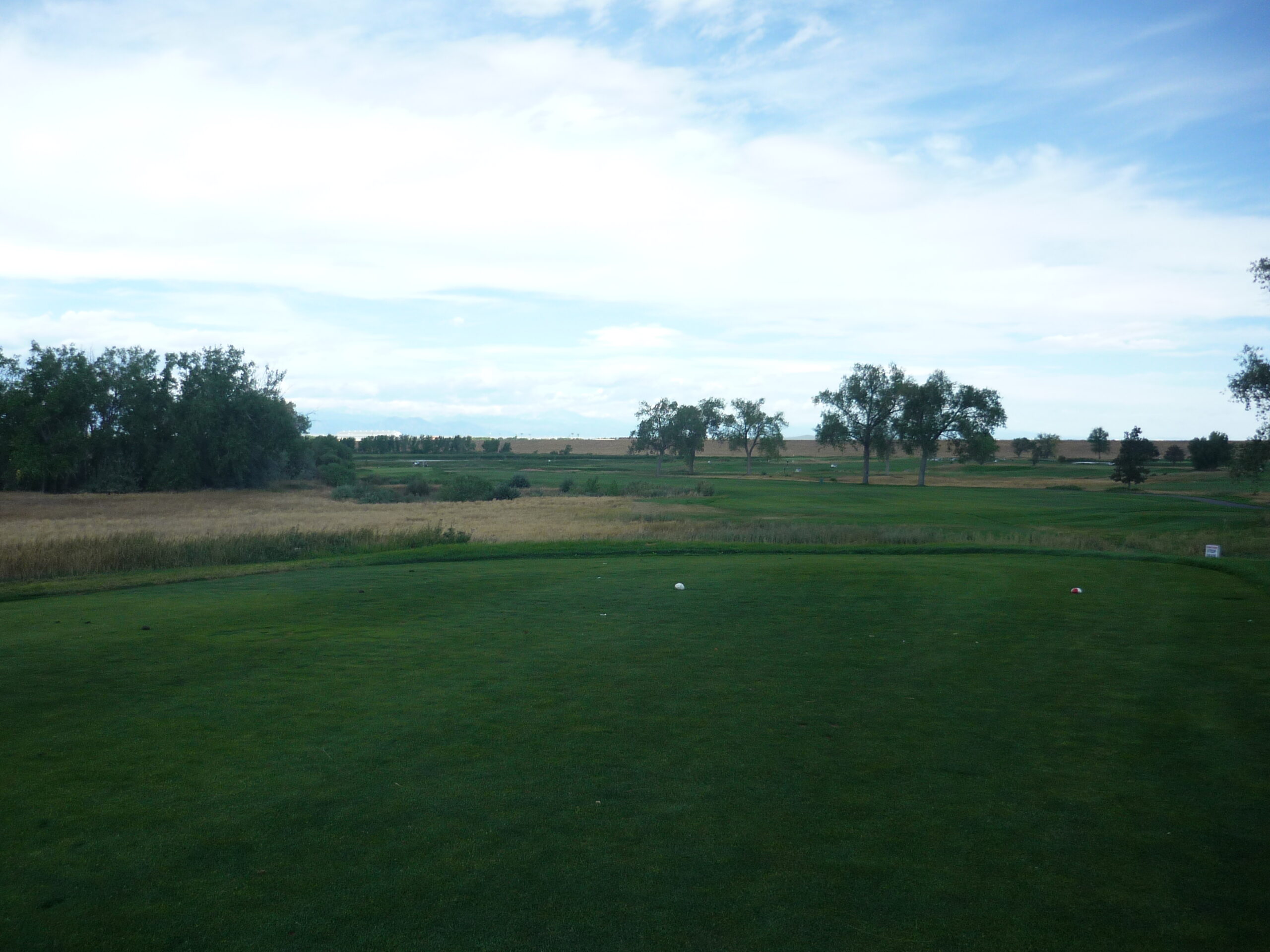
Your start line is all-important with this tee shot. The fairway runs out on the right side so you need to calculate your distance and direction properly to find the short grass.
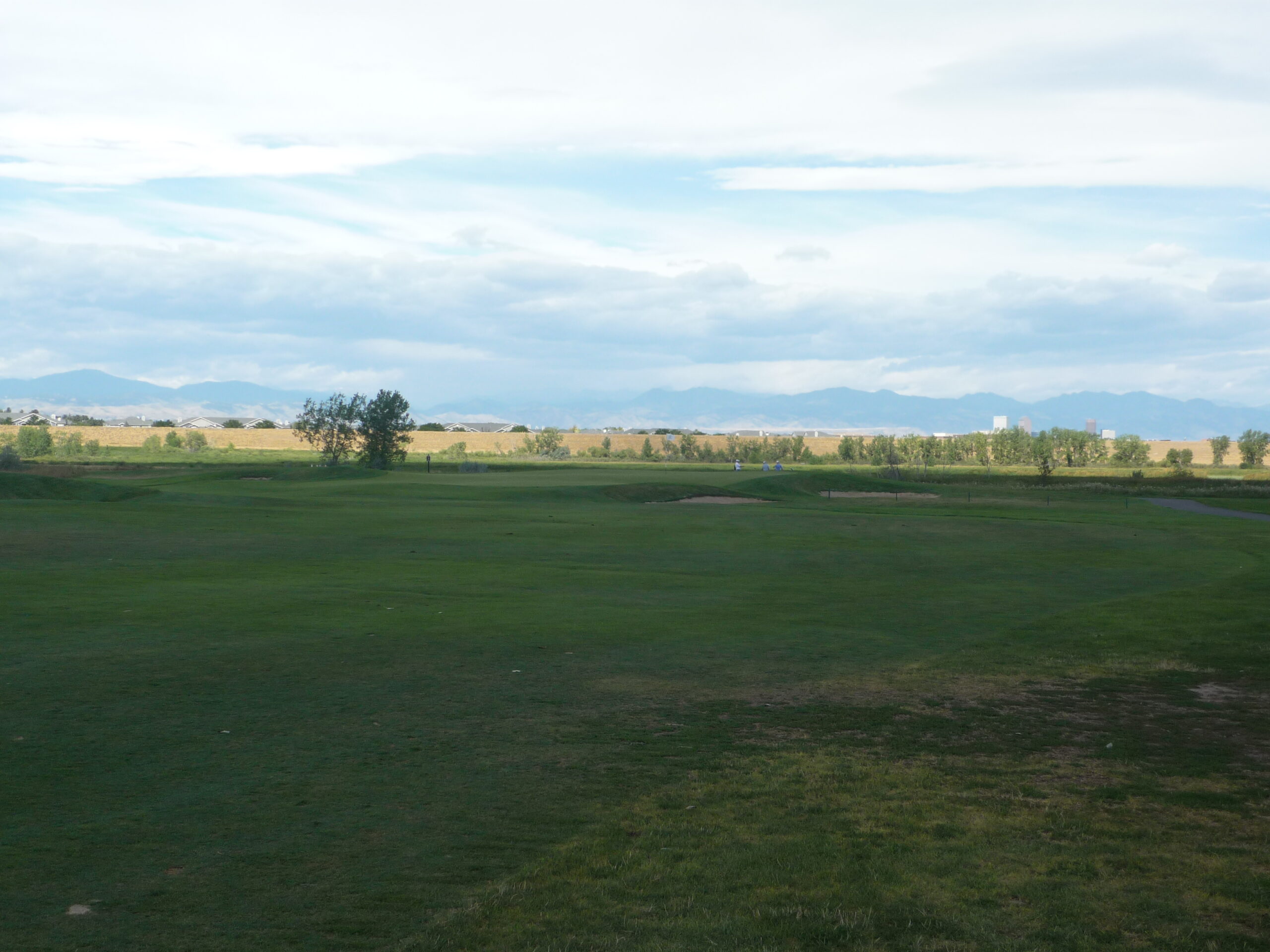
You’ve got a large green surface here but take care not to go long.
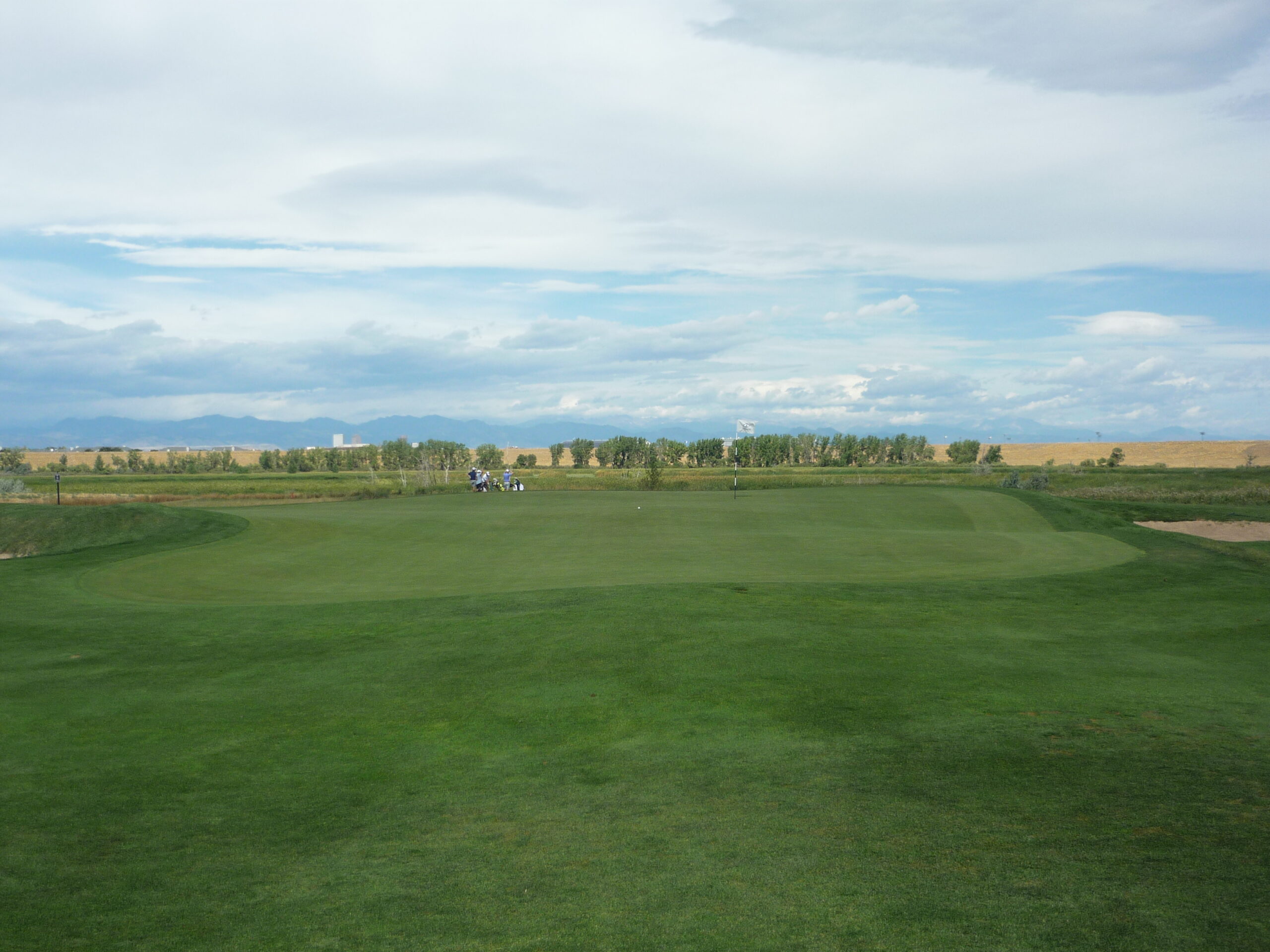
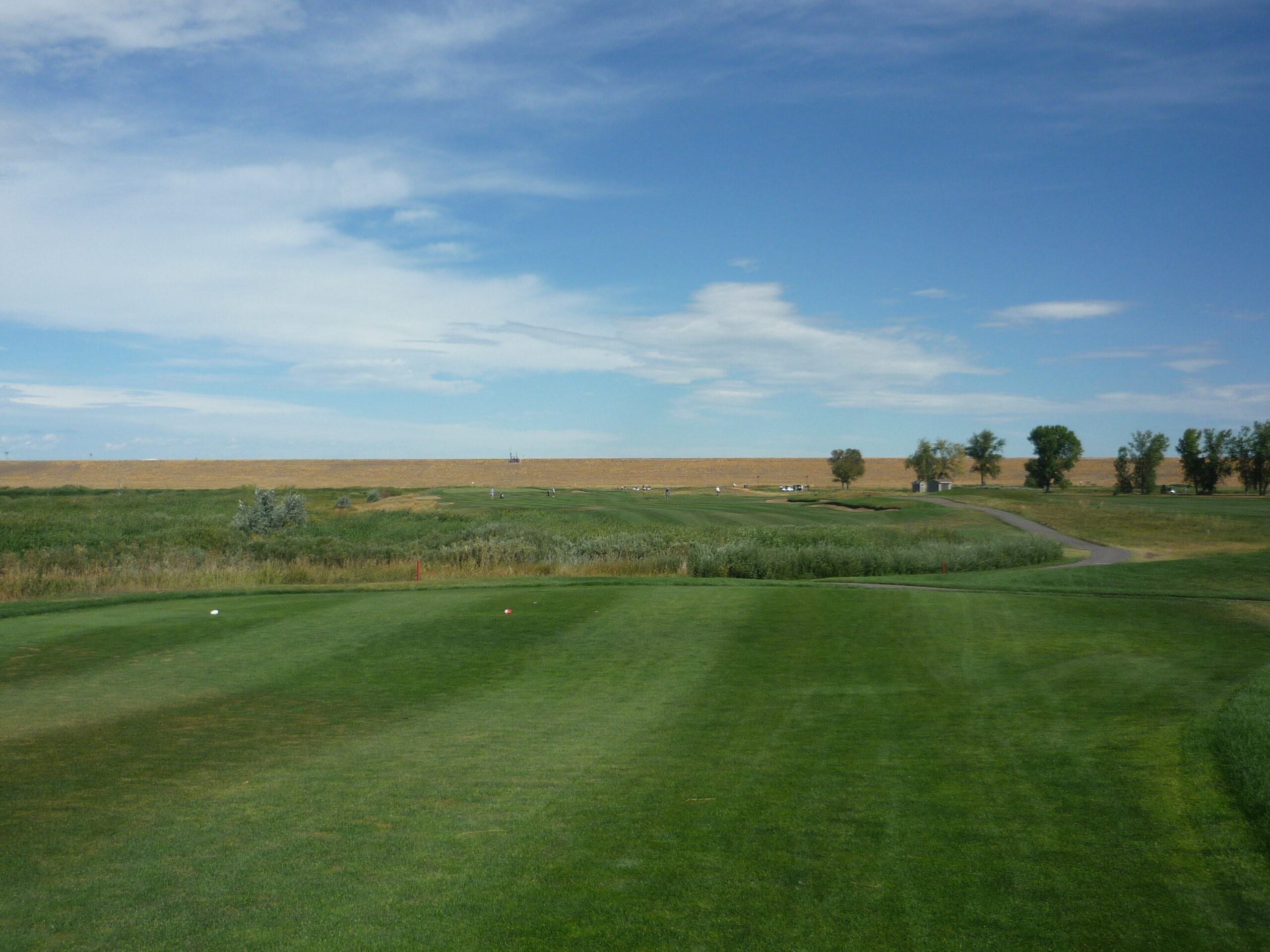
Hole 5 – 427 yards – Par 4
The trouble here is all along the left side of the hole and there is no reason to challenge that side. Approaches from the right will just as easily result in a good score.
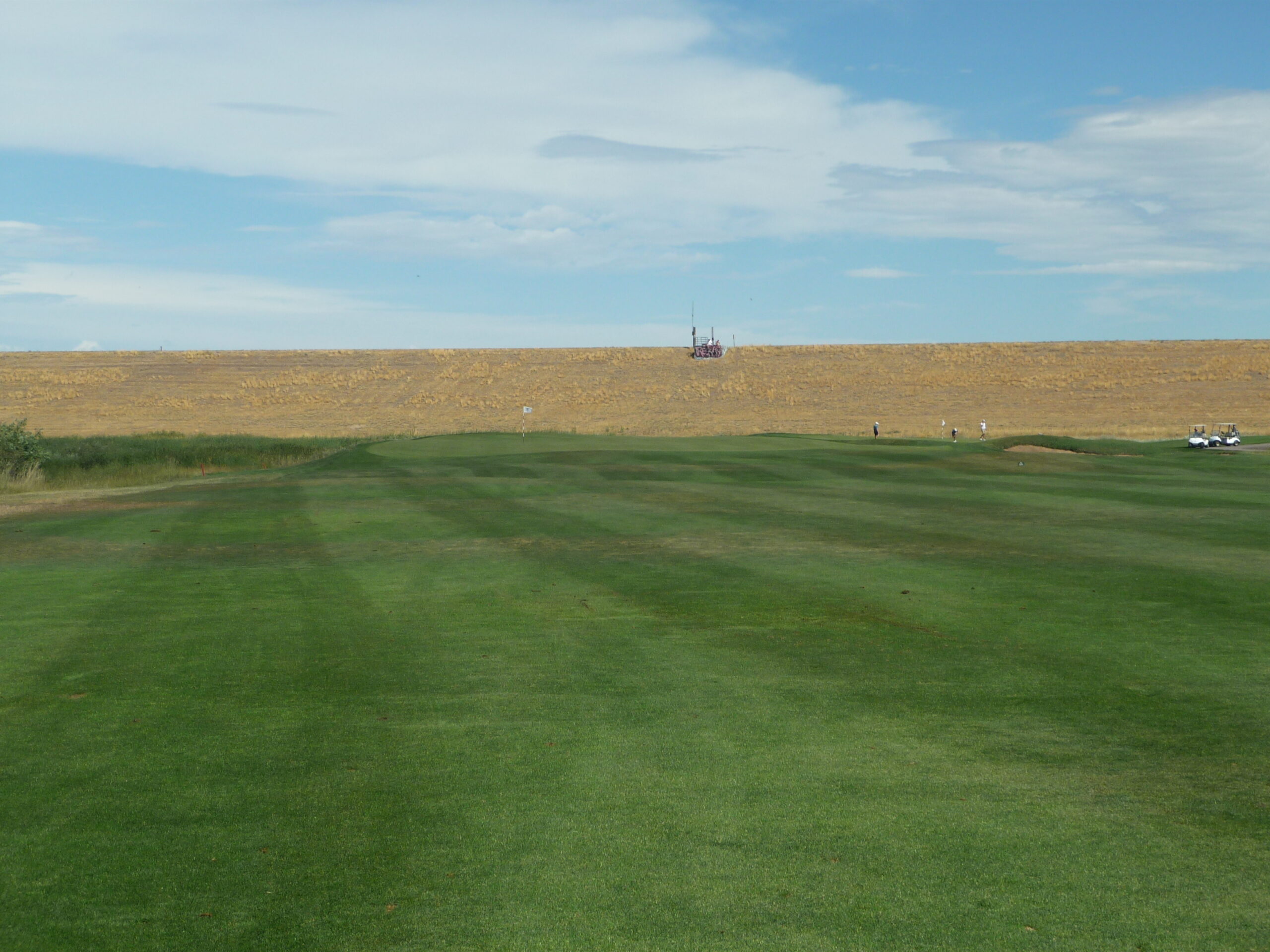
The expansive green can be attacked via the air or the ground.
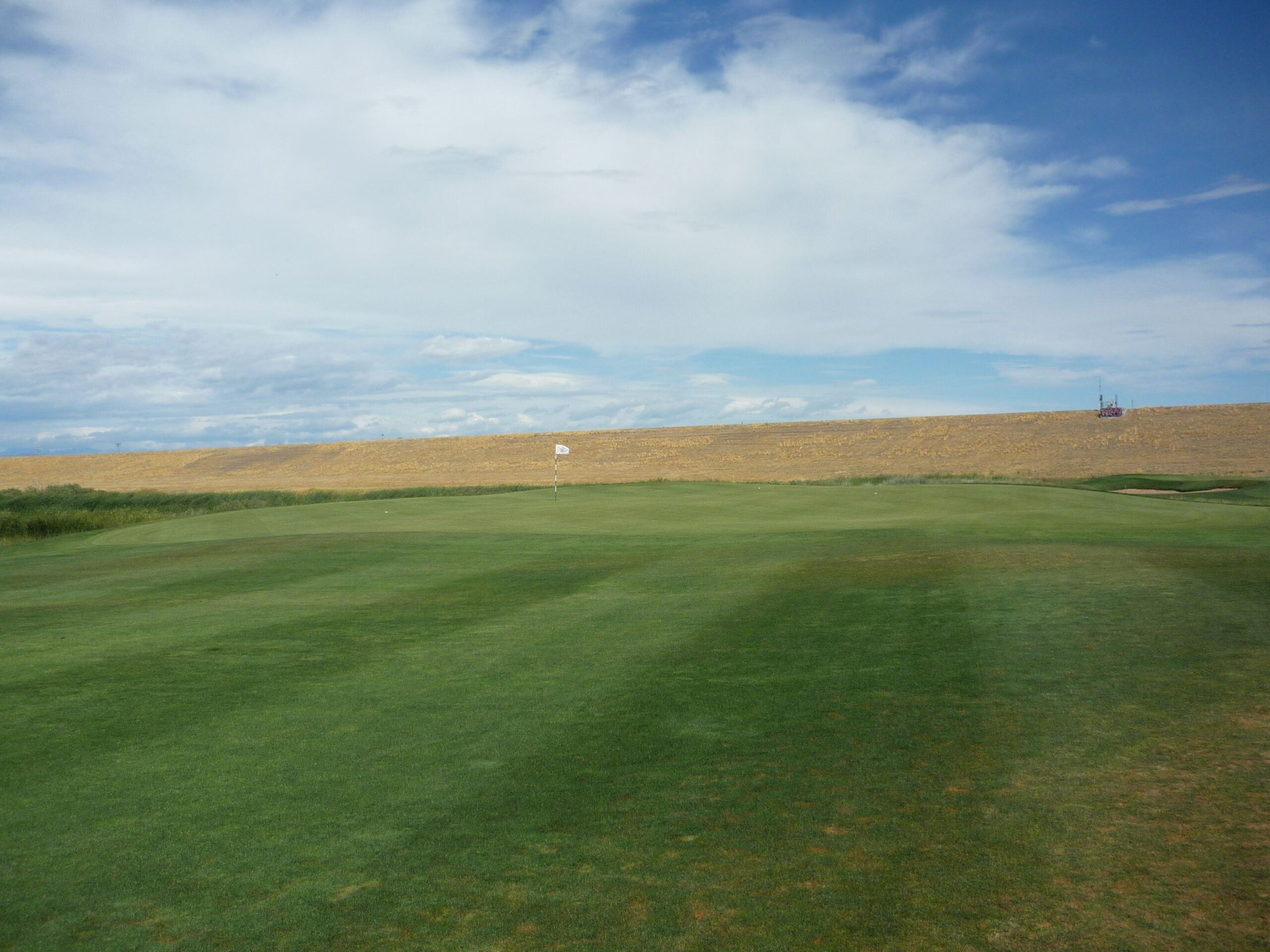
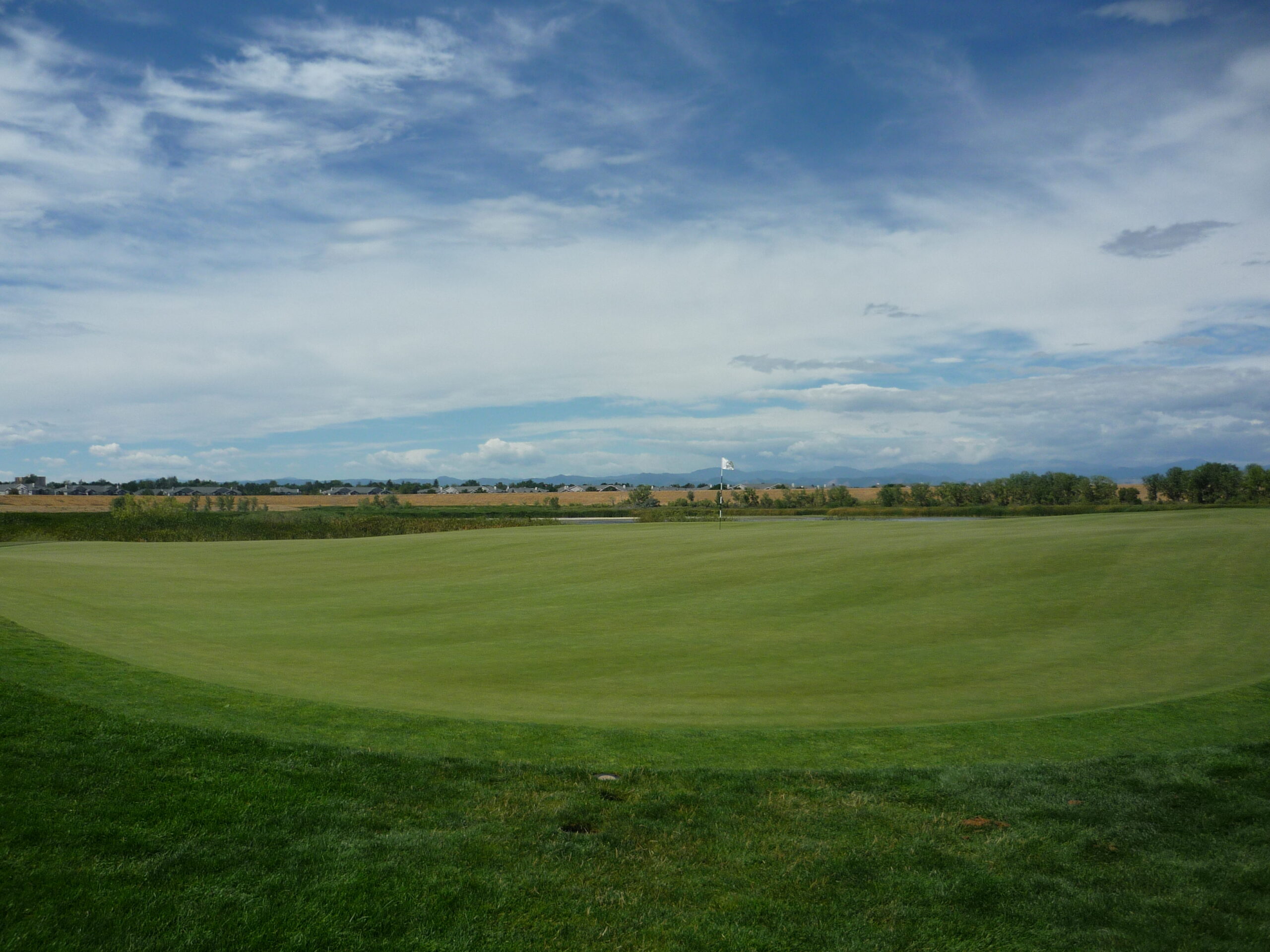
Hole 6 – 144 yards – Par 3
We played this hole in a pretty stiff crosswind. The slope of the green will filter balls to the left if they are coming in with a draw (for right-handers). Multiple people in our group had very lengthy putts.
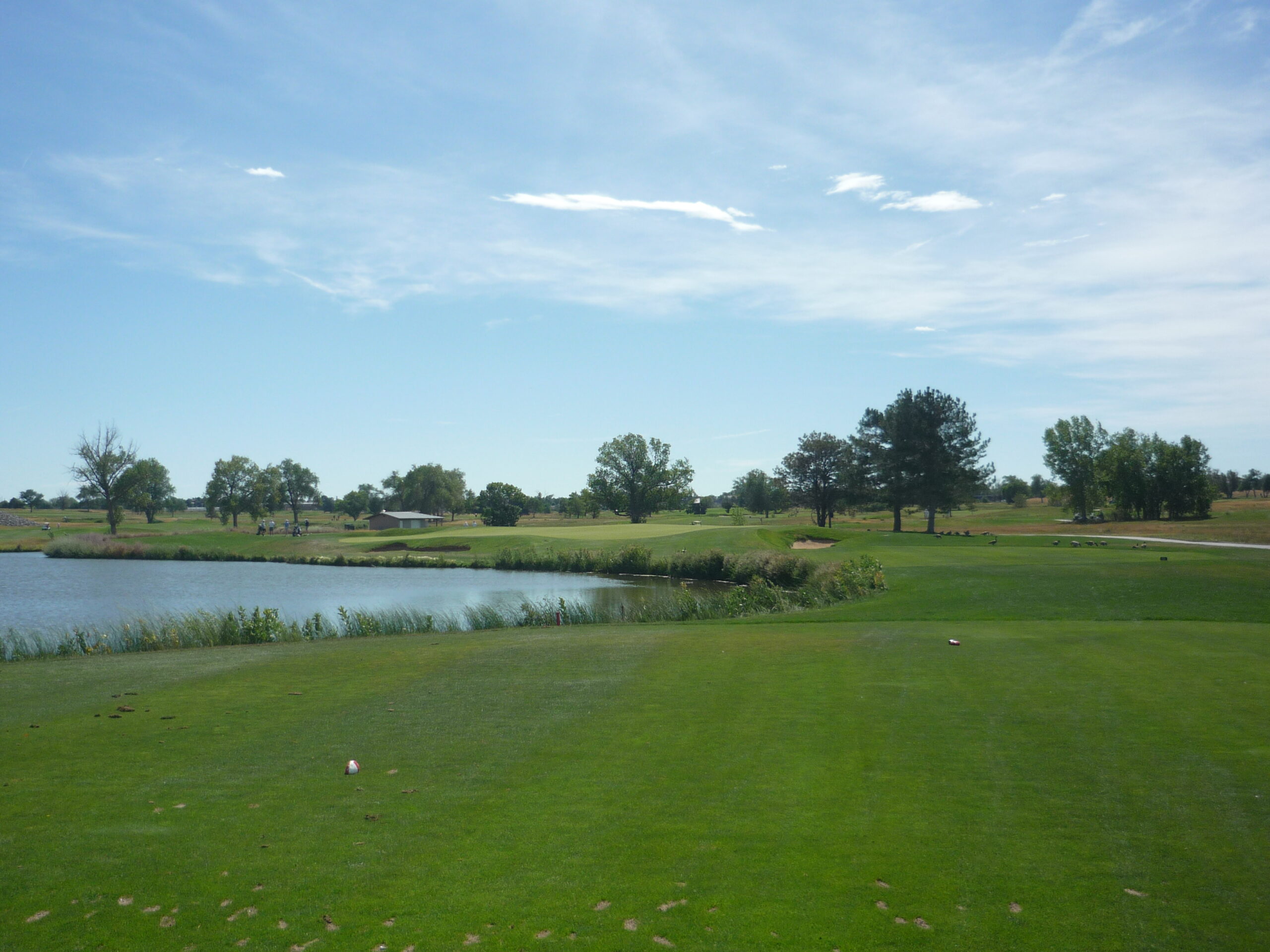
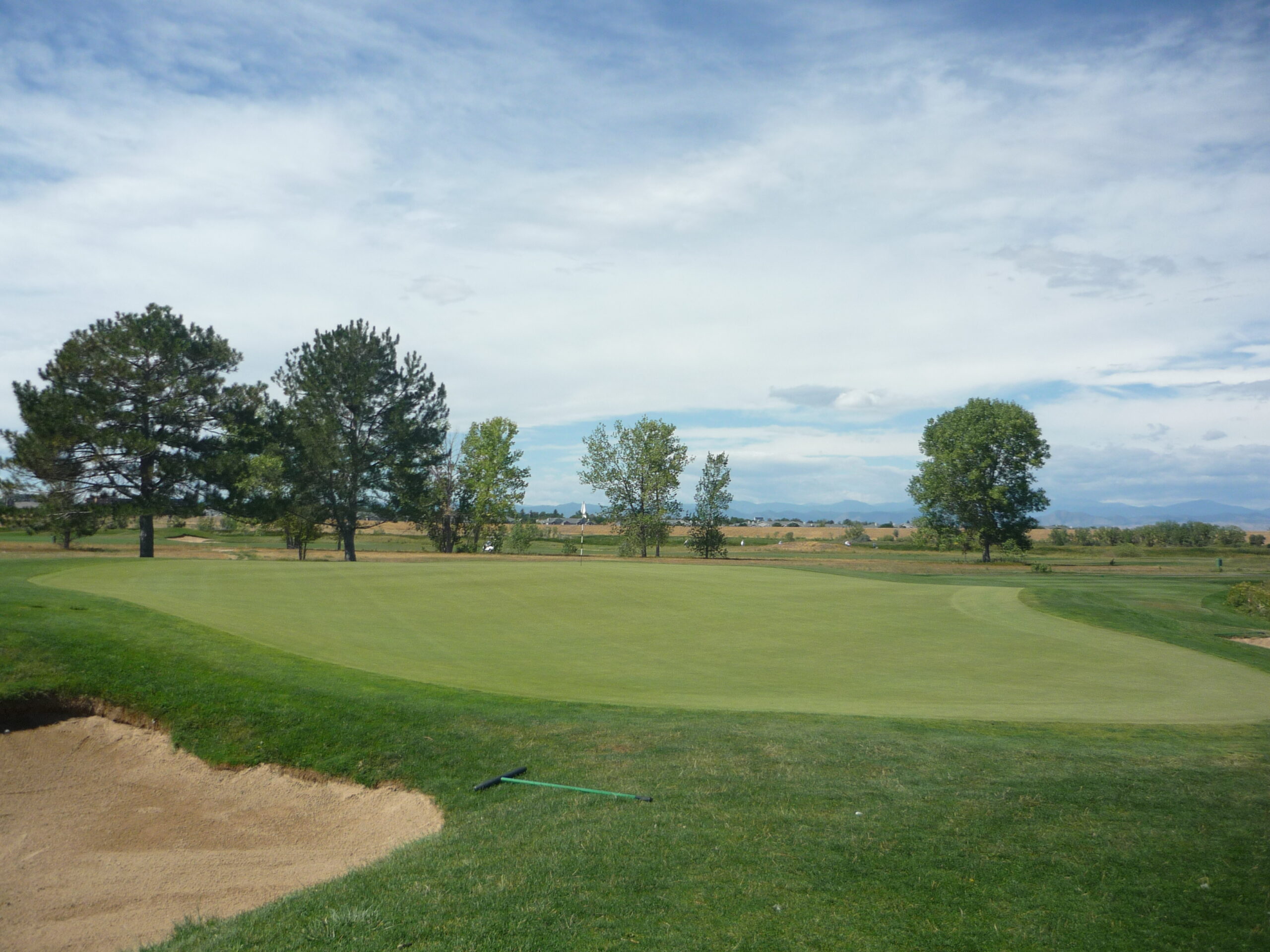
Hole 7 – 532 yards – Par 5
This fairway bends to the right, so you can run out of room if you go up the left side. Once you determine whether or not you can carry the fairway bunkers, you can adjust your aim accordingly.

A good drive will set up a second shot to a fairly open and benign green. Good scores are here for the taking.
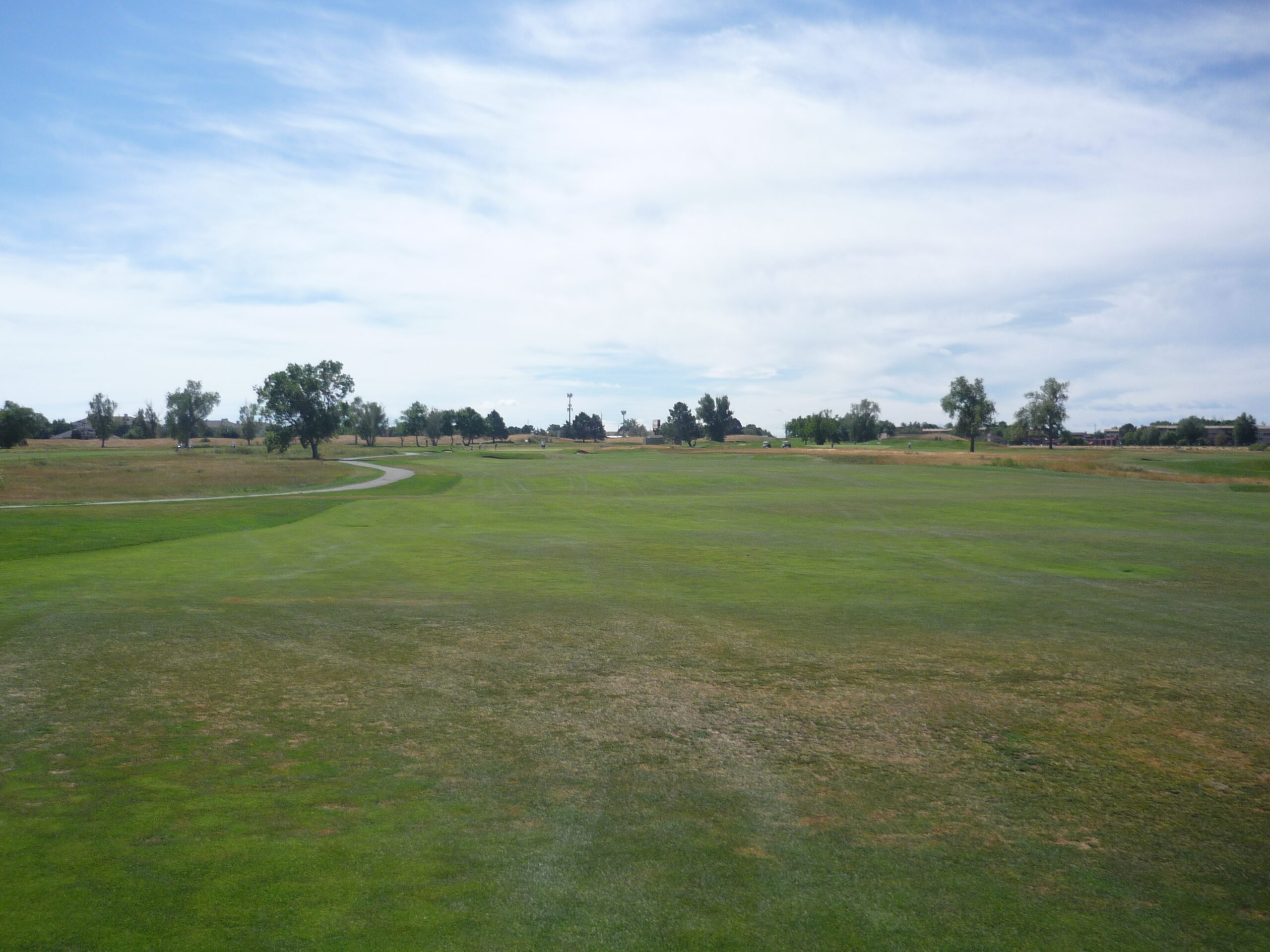
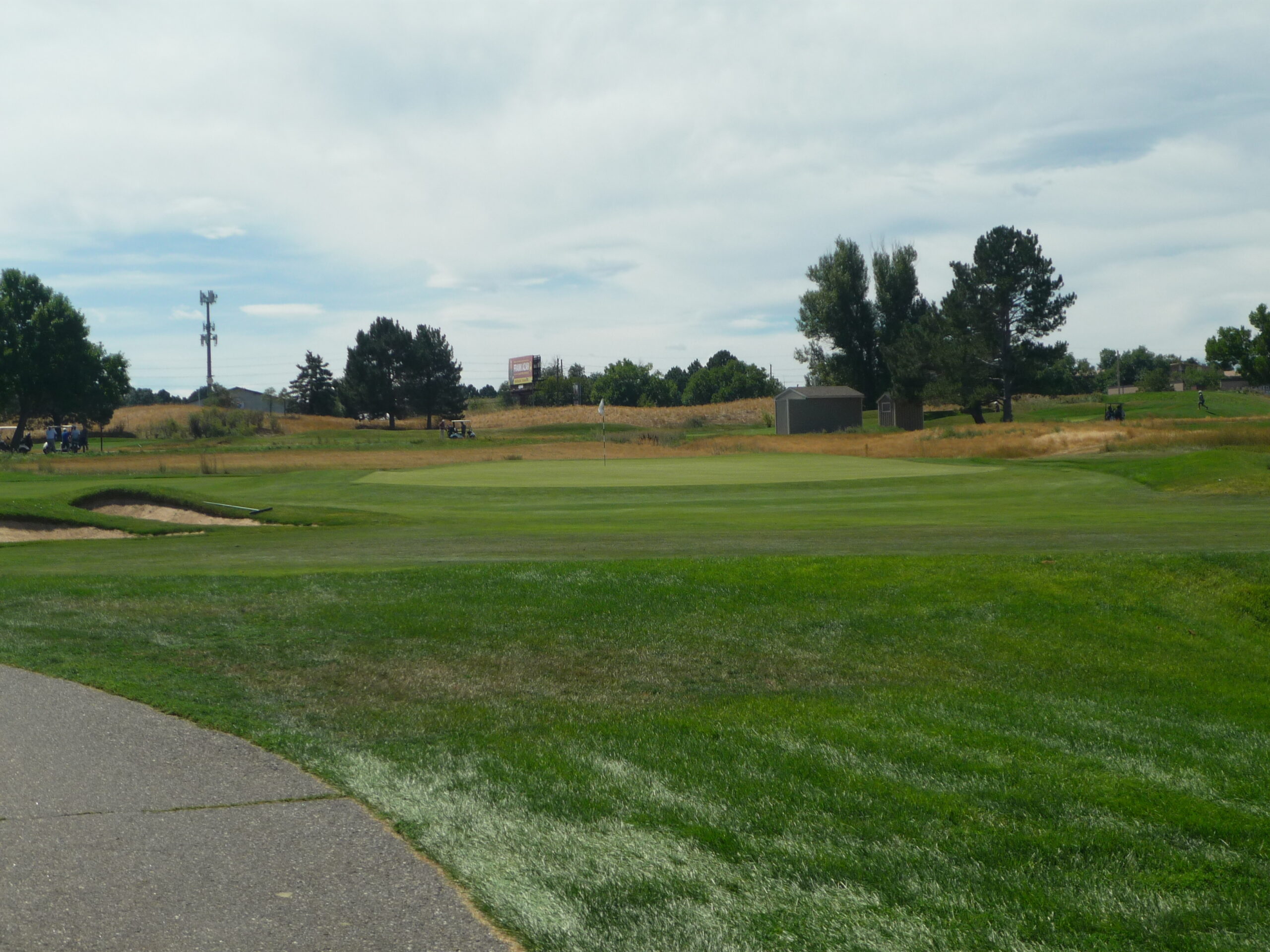
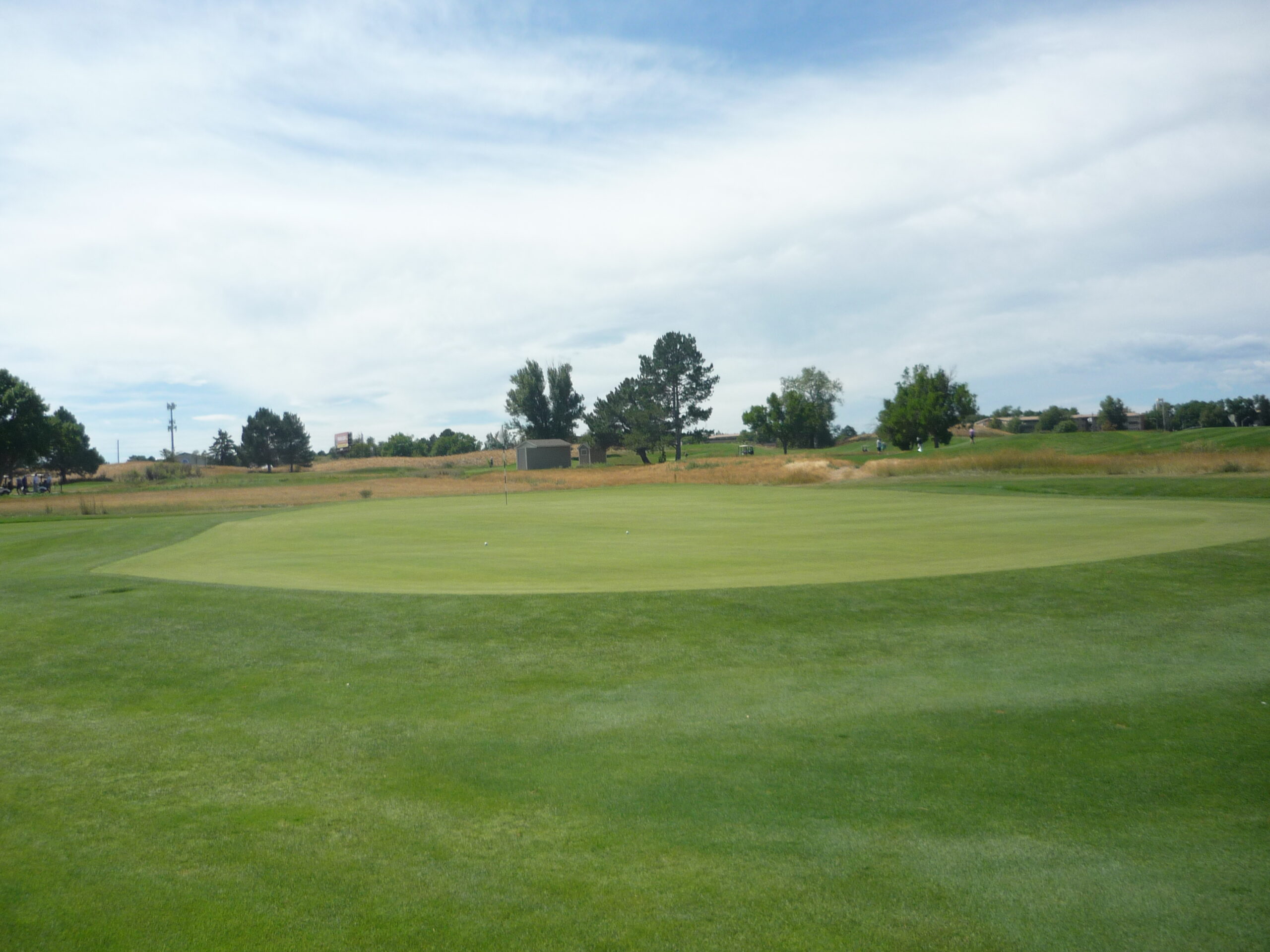
Hole 8 – 331 yards – Par 4
Straight and flat usually make for a boring hole but the fairway bunker is placed in the correct spot to make you think just a little bit. If you can avoid it, the approach shot is a green light special.
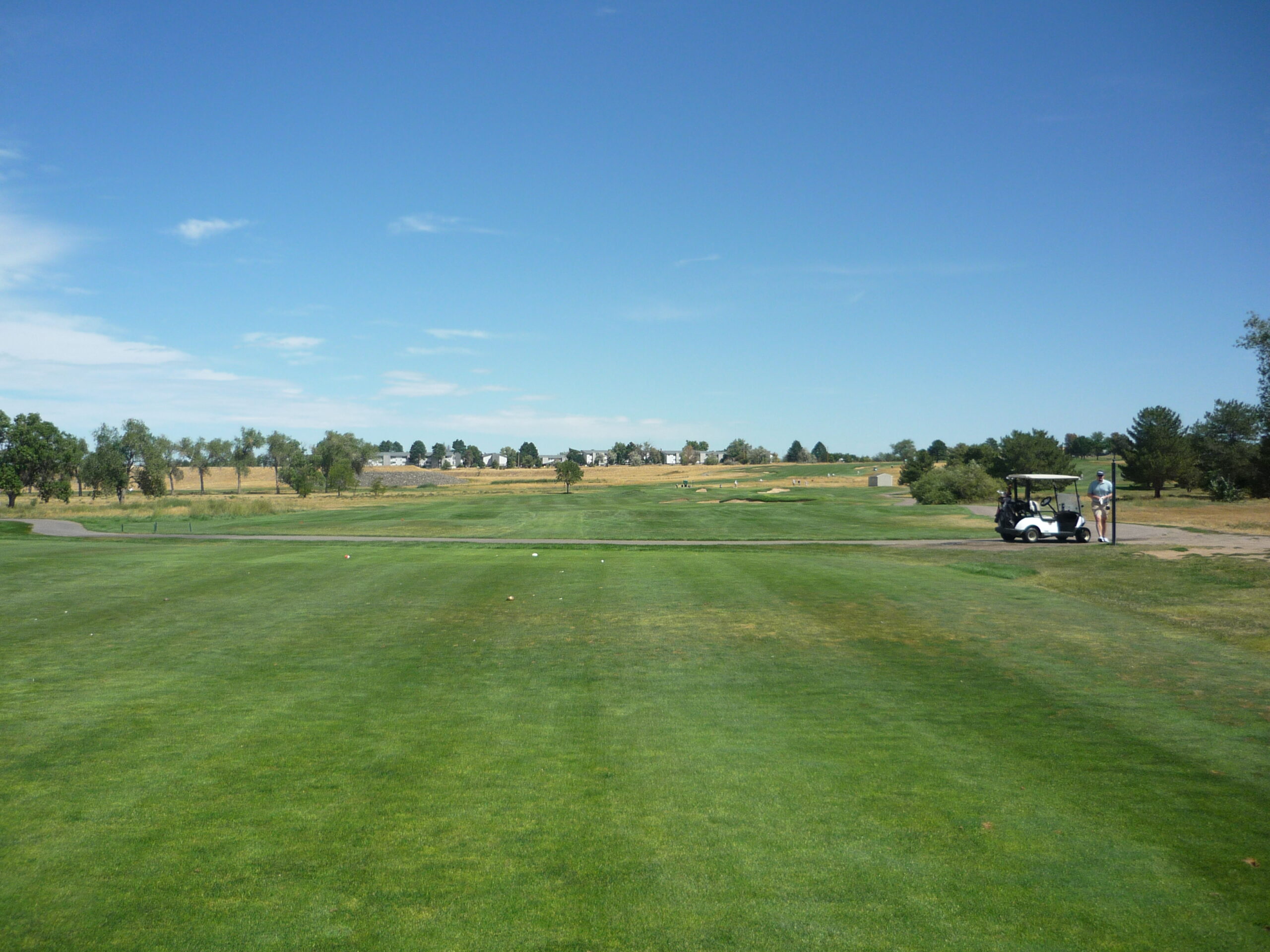
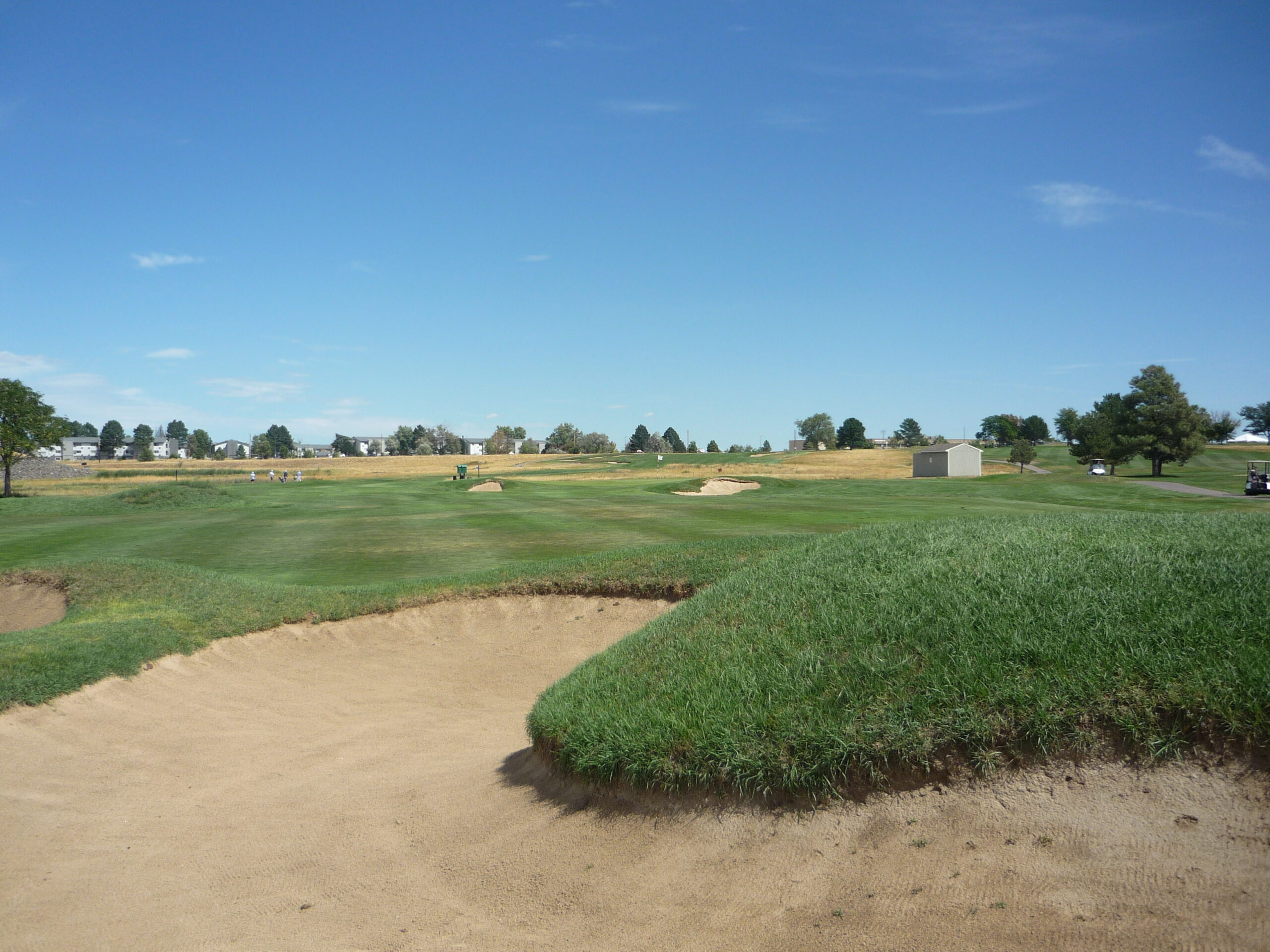
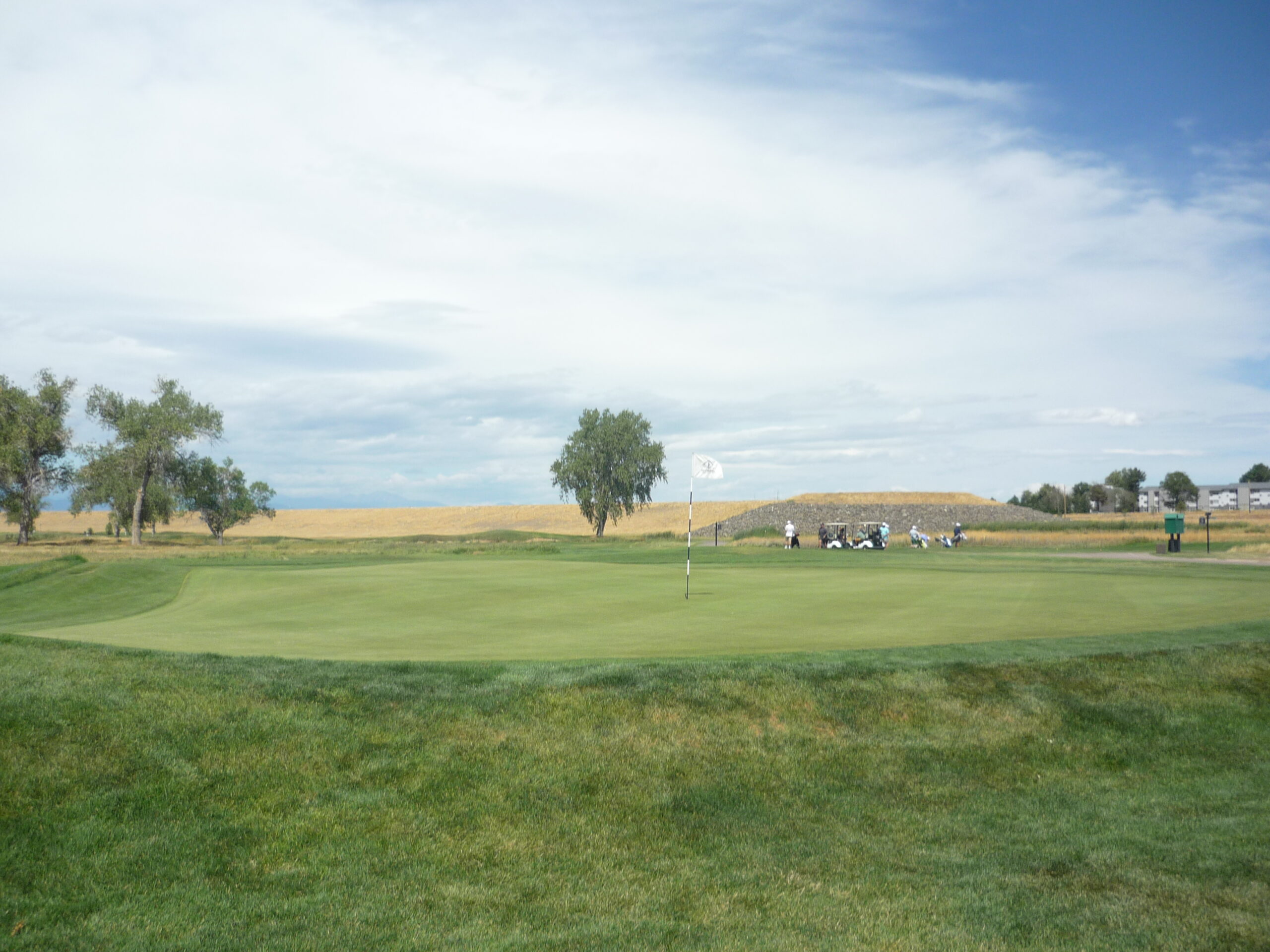
Hole 9 – 364 yards – Par 4
Be wary of trying to cut off too much of this hole by going up the right side. The bunker and the tree can complicate that plan. There is plenty of room to the left of those two obstacles.
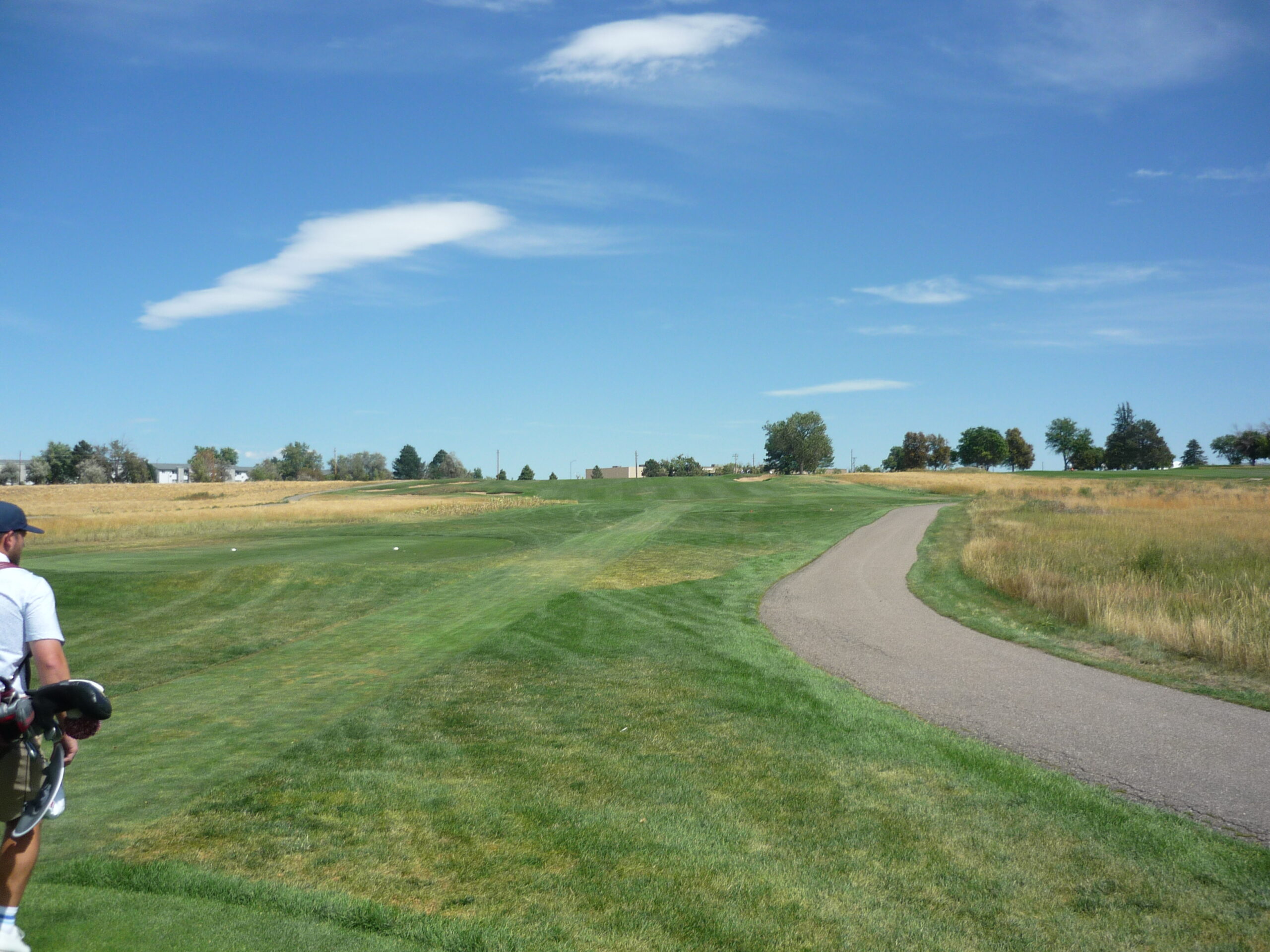
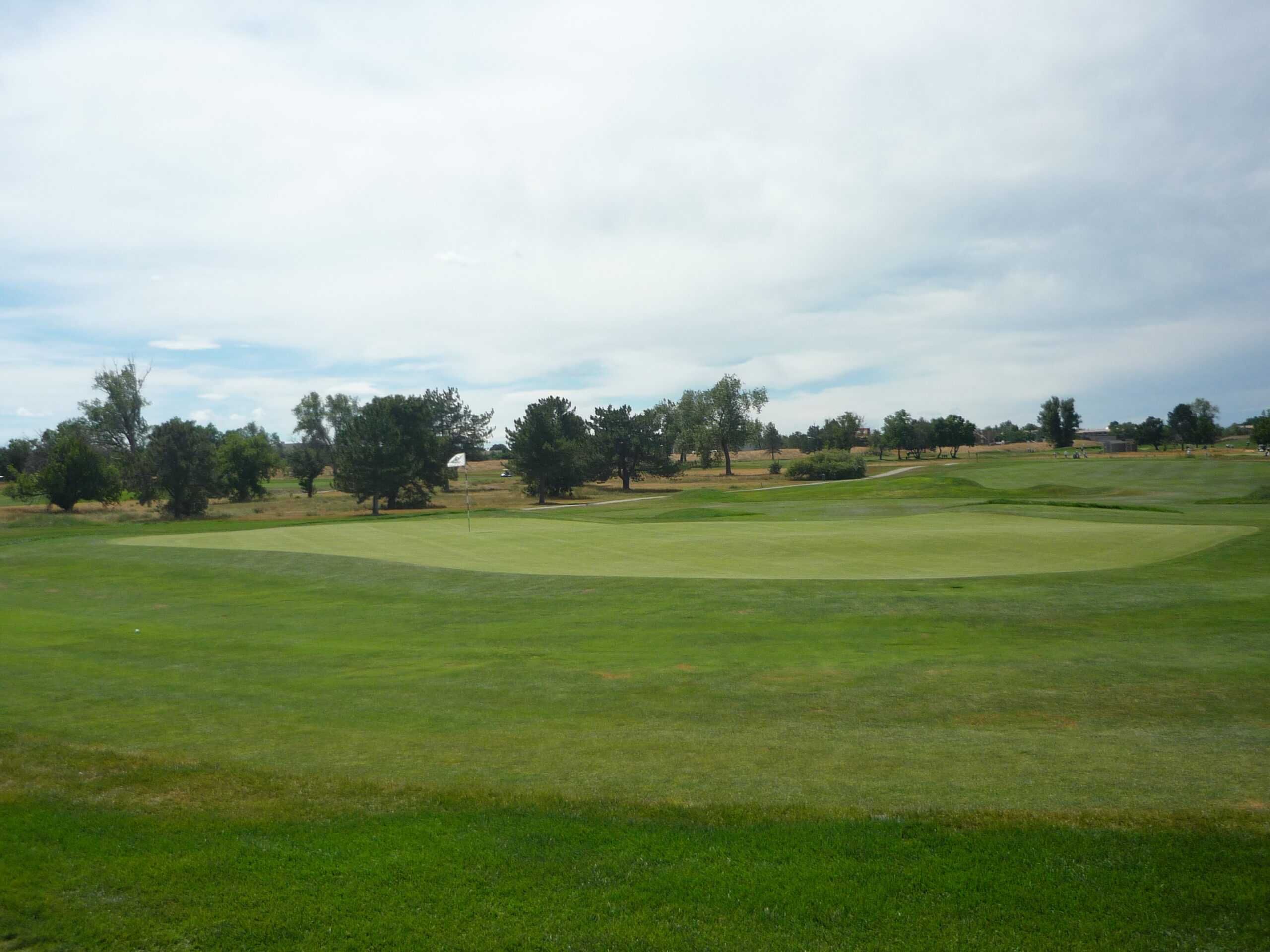
Take note of where the pin is and then visualize the shot shape you need while taking into account the shape of the green shown below.
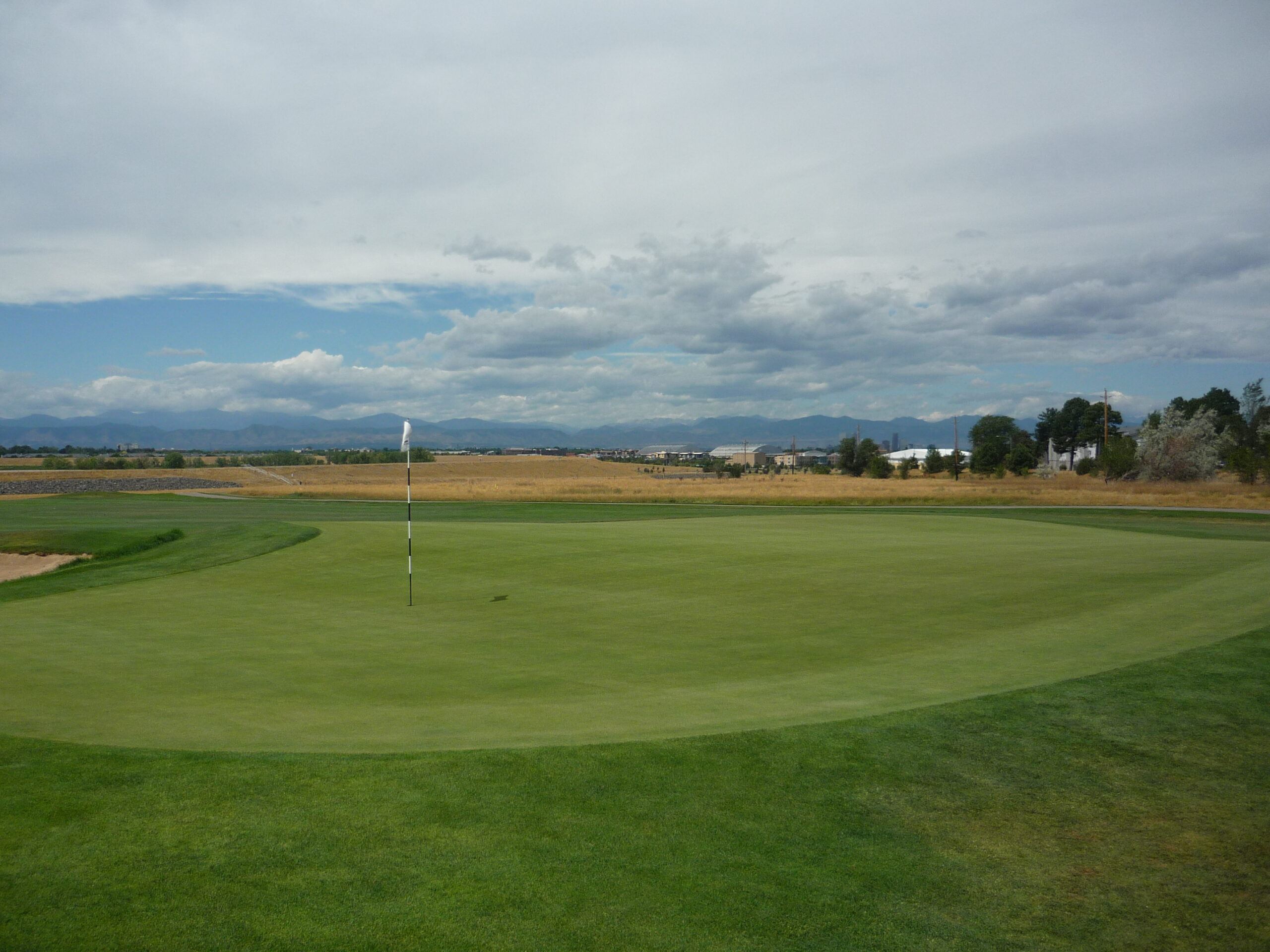
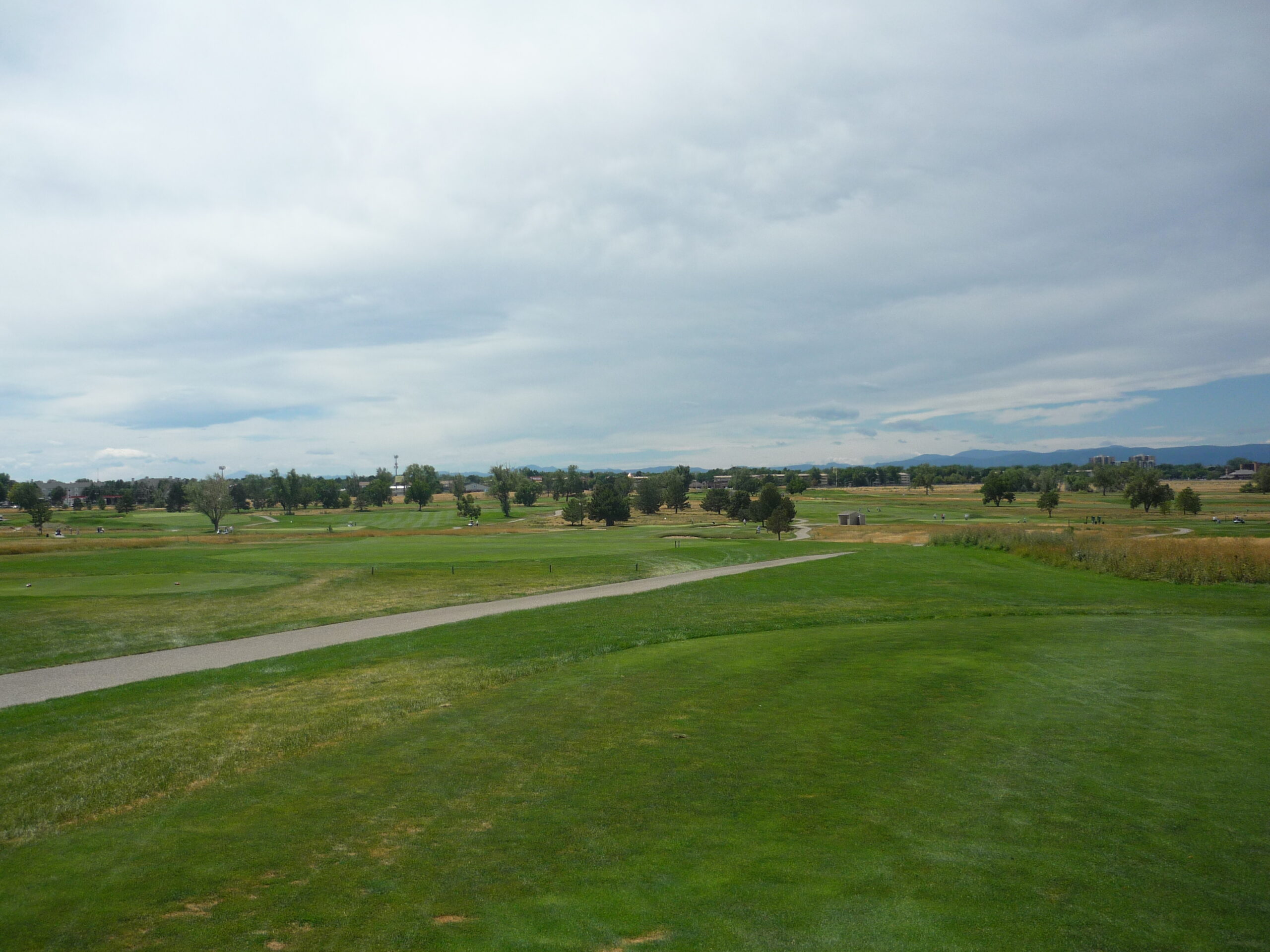
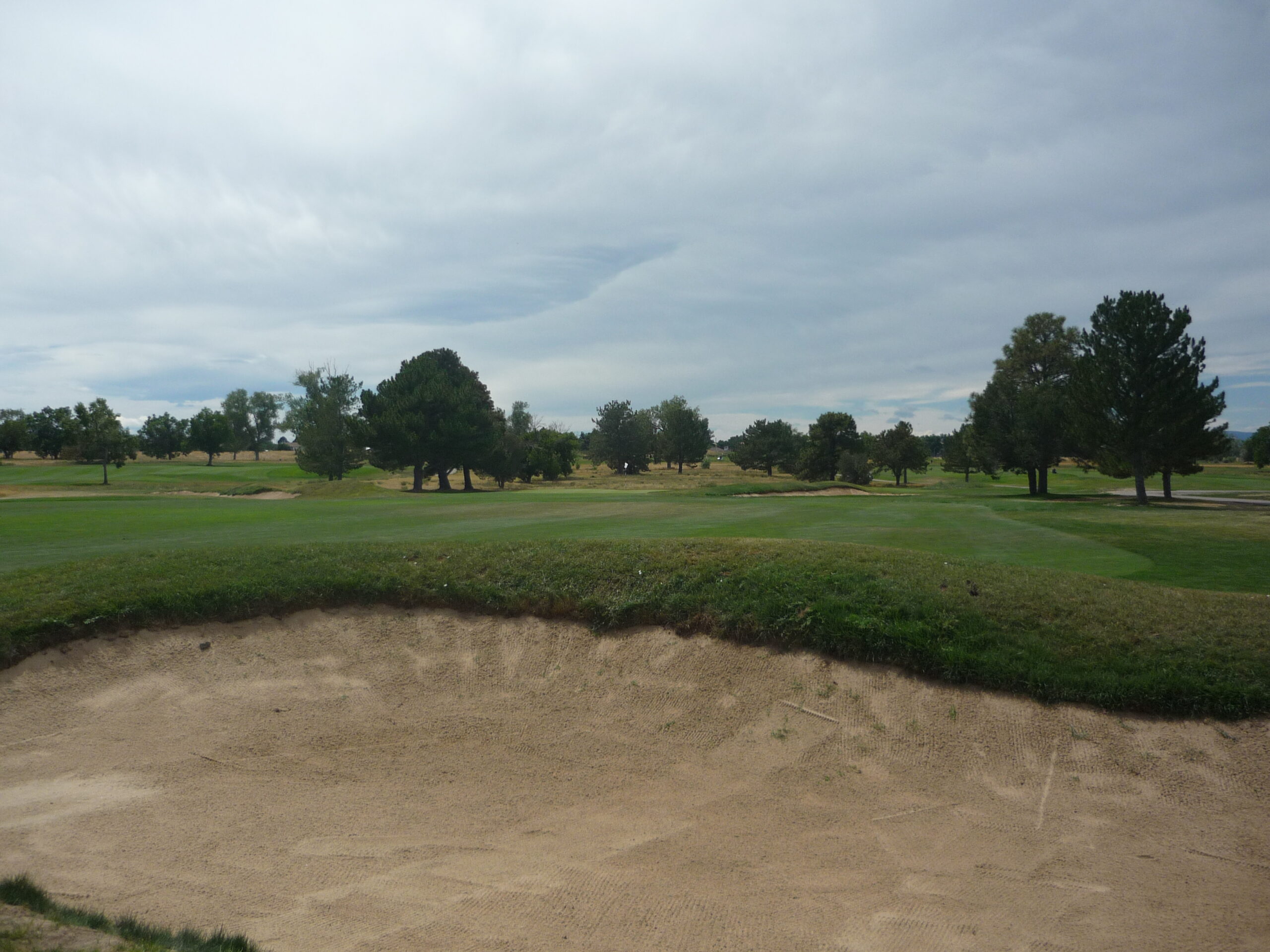
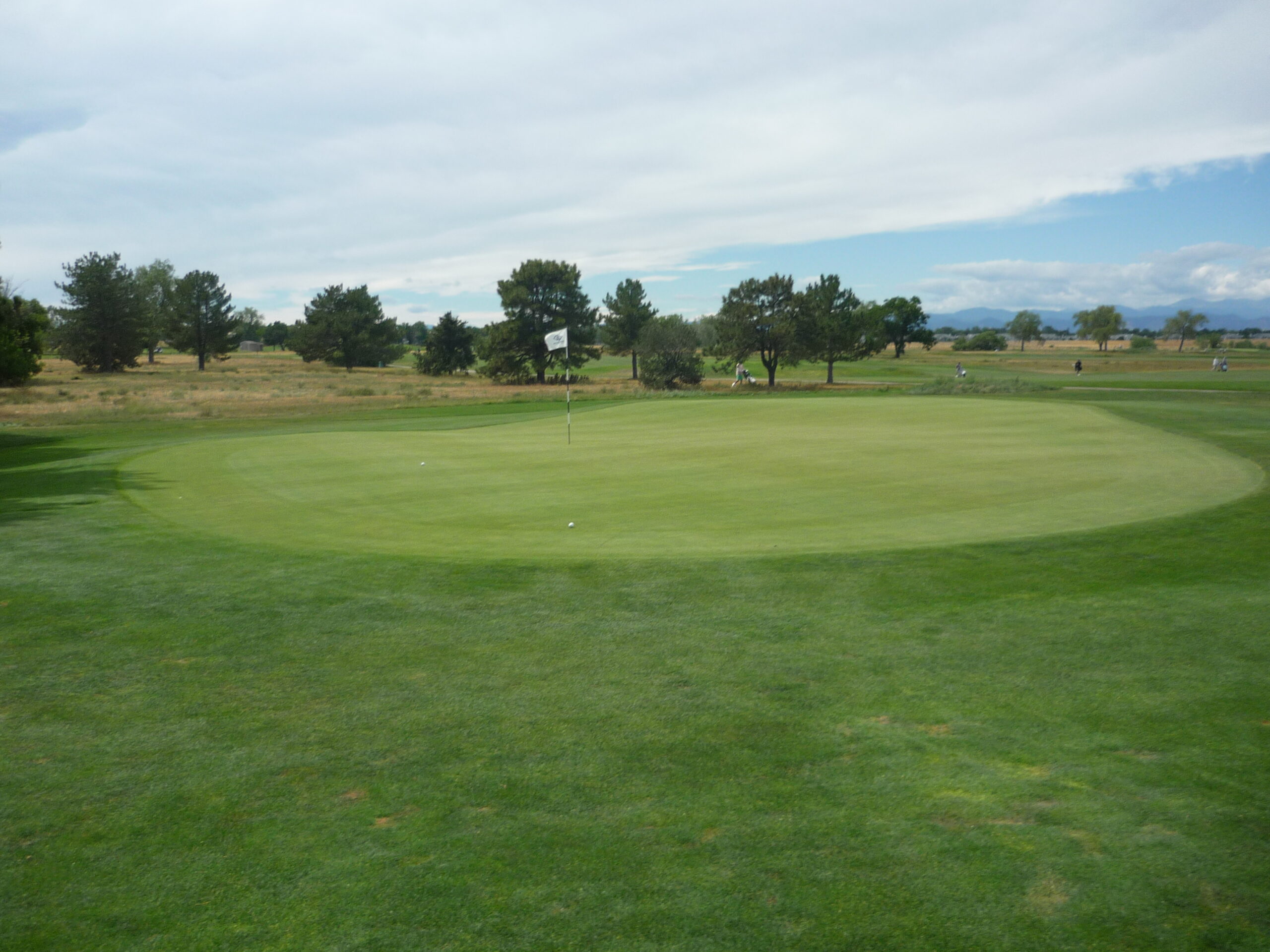
Hole 10 – 391 yards – Par 4
It’s bombs away on this downhill par four. Even the fescue to the right of the fairway wasn’t all that dense. Avoiding the bunker is your only objective.
The green is on the smaller side with an opportunistically placed grove of trees just off to the left.
Hole 11 – 507 yards – Par 5
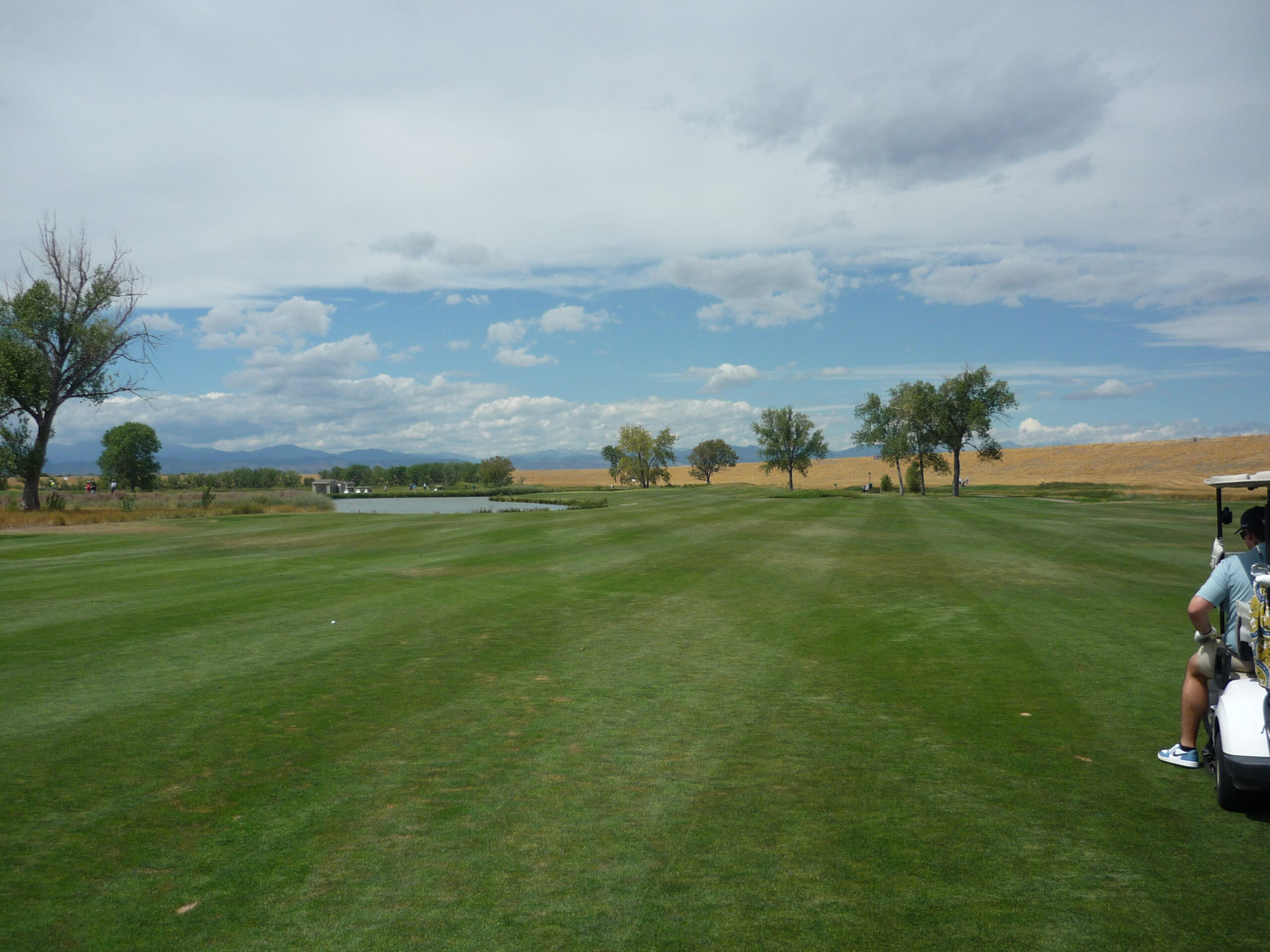
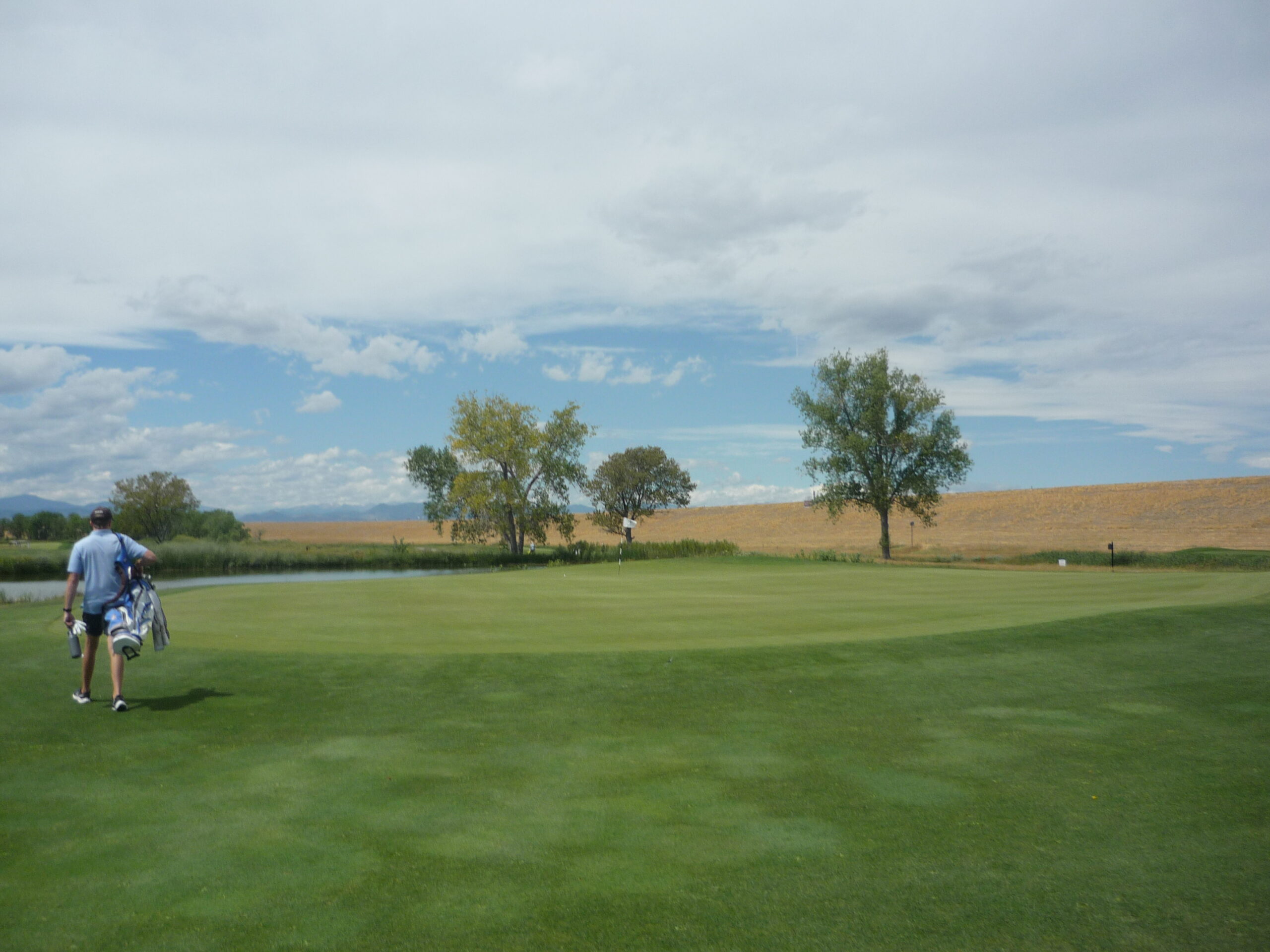
I didn’t get the tee shot on this hole but the crux of this hole’s challenge is the second shot. You have to decide if you want to challenge the green with the pond guarding most of the left side and angling around the back slightly as well.
Hole 12 – 184 yards – Par 3
Length is the defense here, in contrast to the two par threes on the front side. As a result, the green is a bigger target. The farther right you stray, the longer the carry is to cover the hazard.
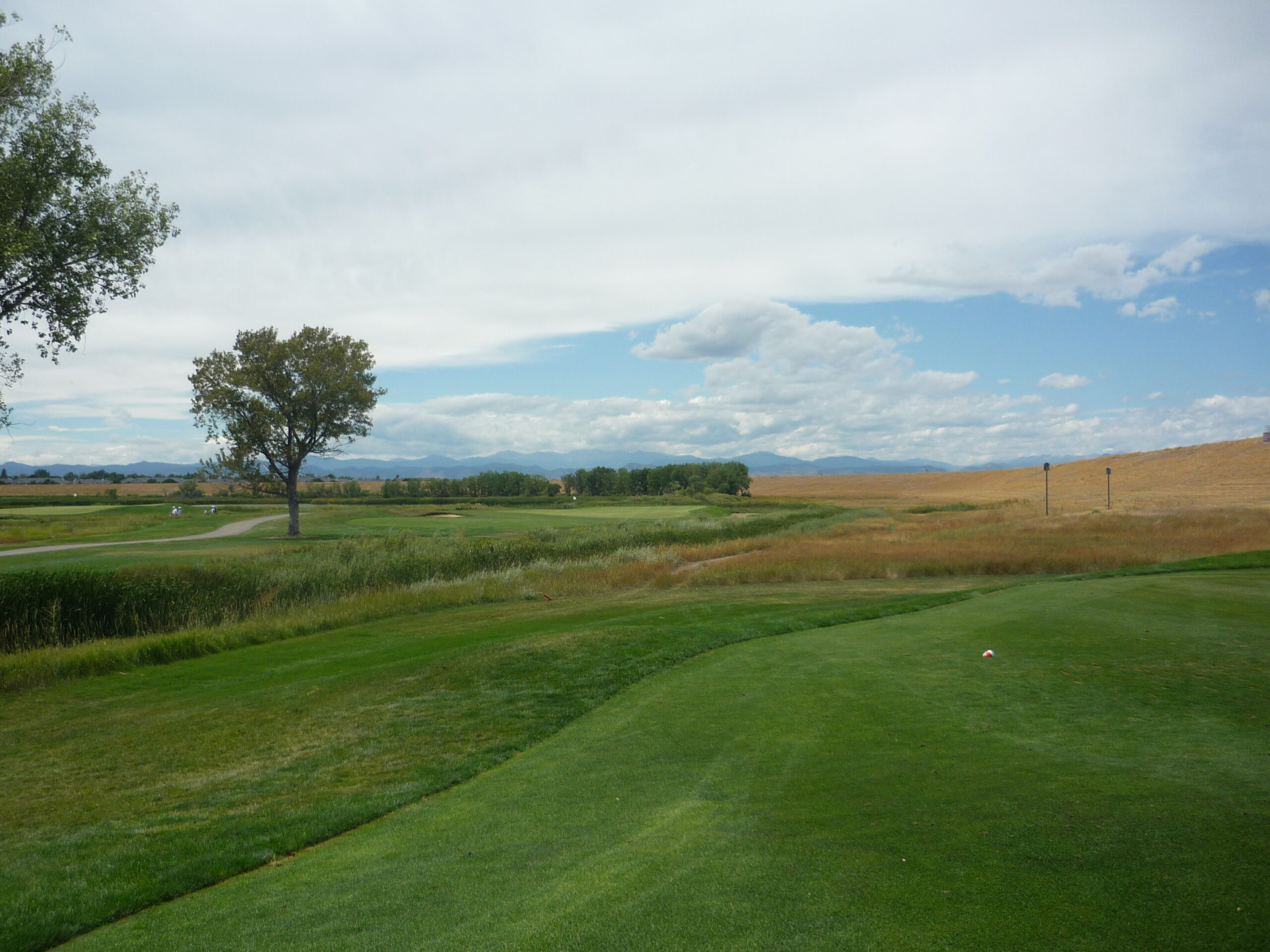
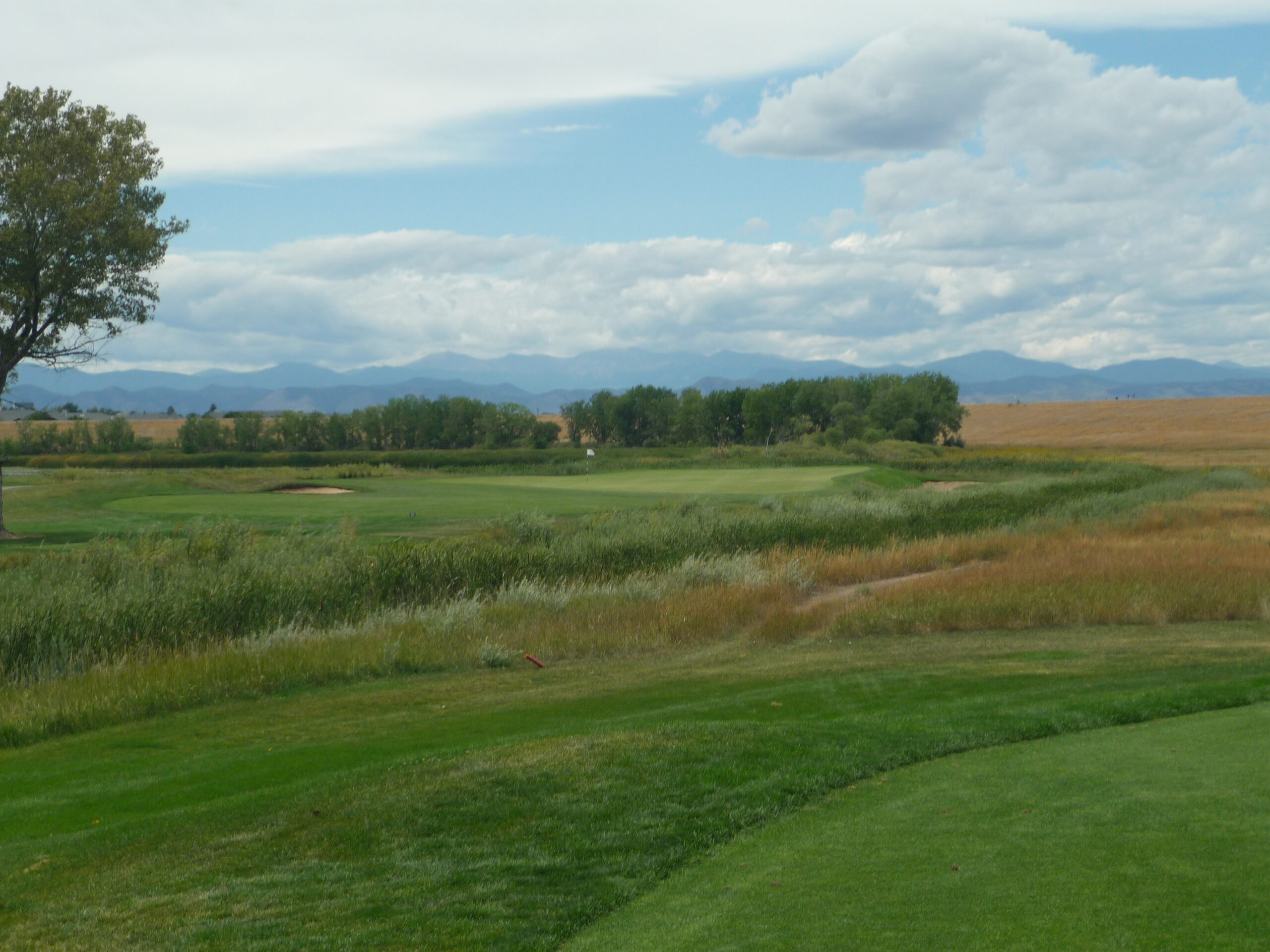
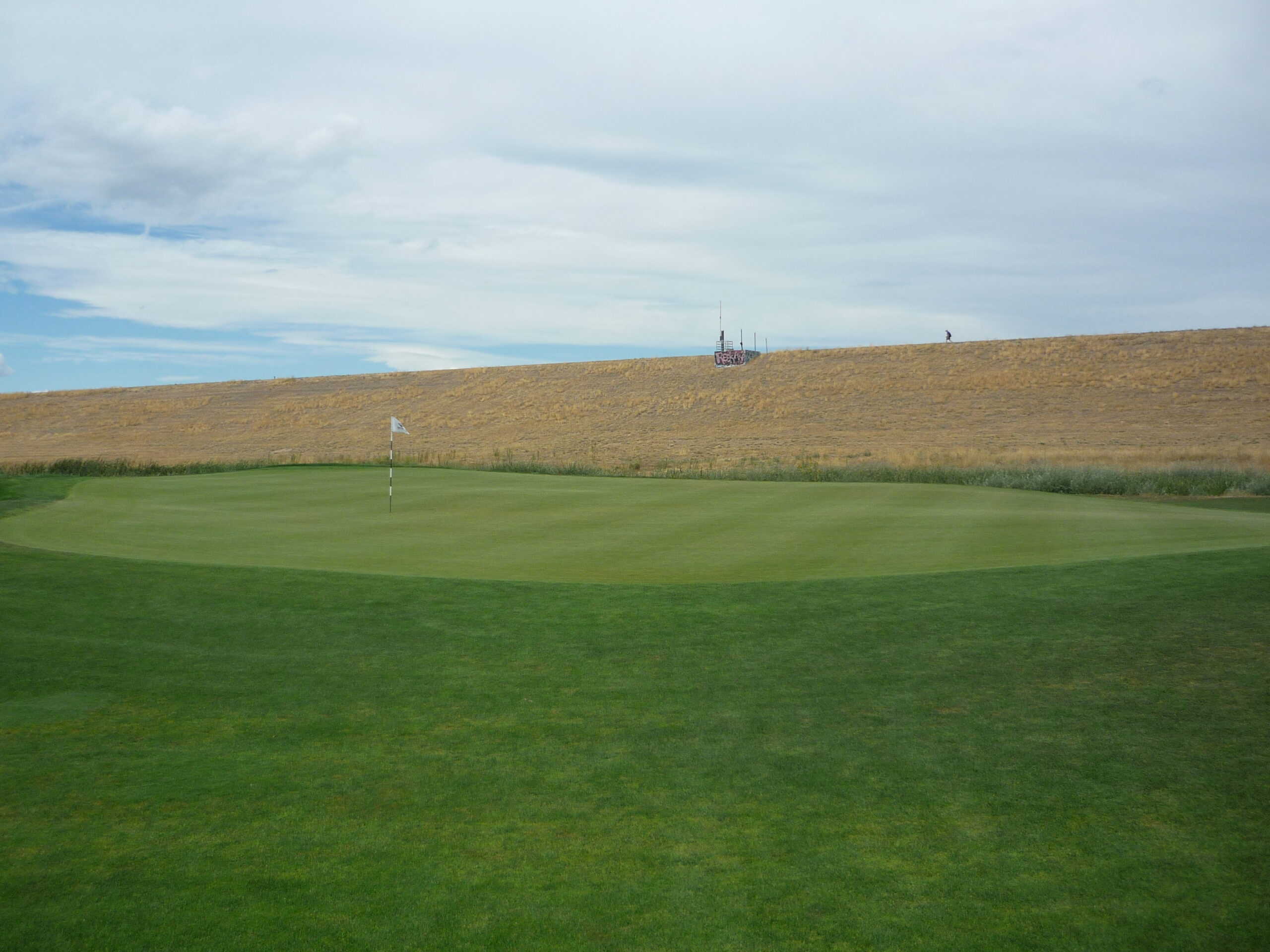
Hole 13 – 403 yards – Par 4
A fairway bunker on each side of this hole provide the defense against the tee shot. Drawers can aim off the right one and faders can do the opposite.
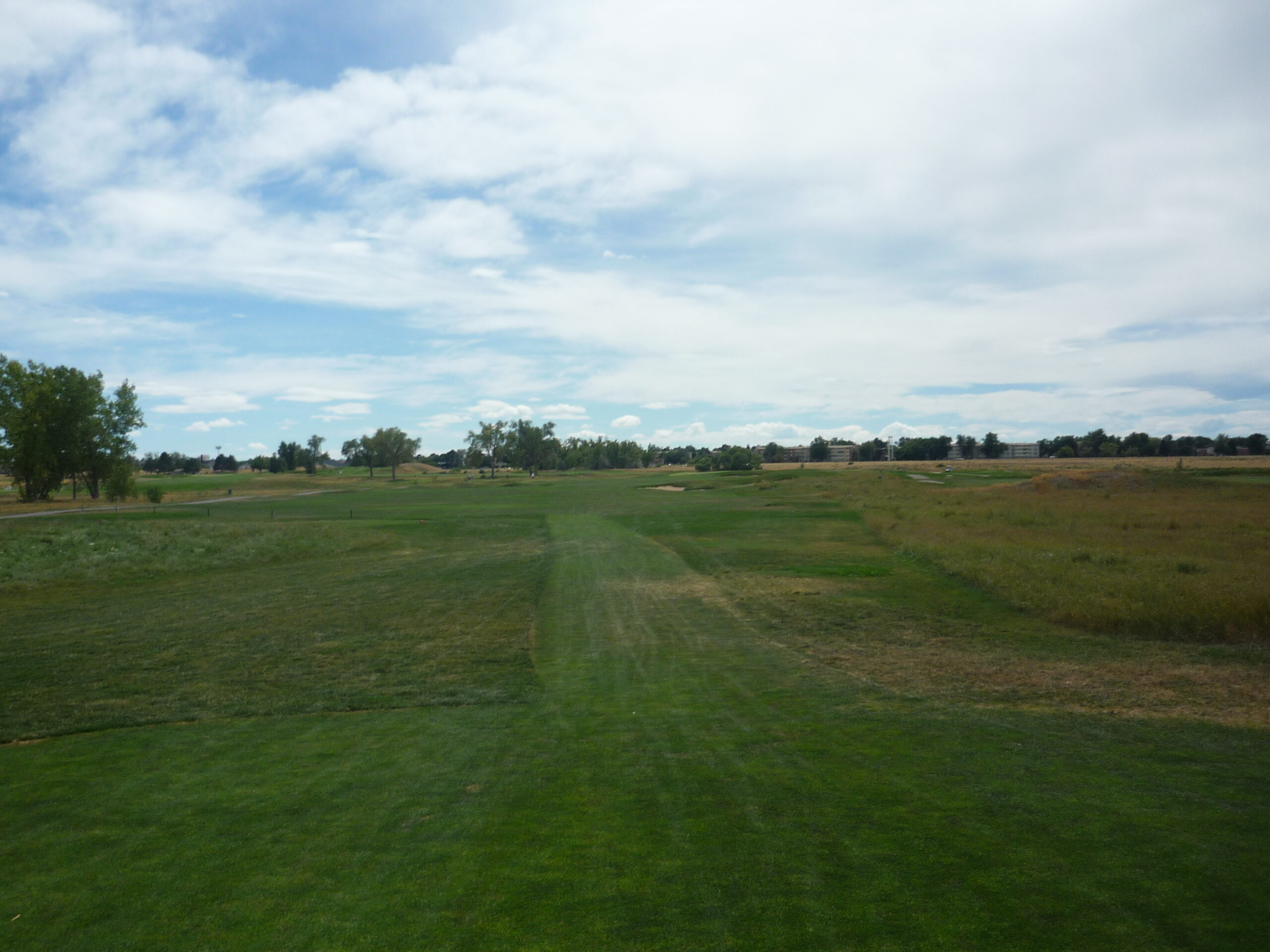
The approach plays to a green that seems to be guarded by a sole bunker. However, there are two additional ones over the left side.
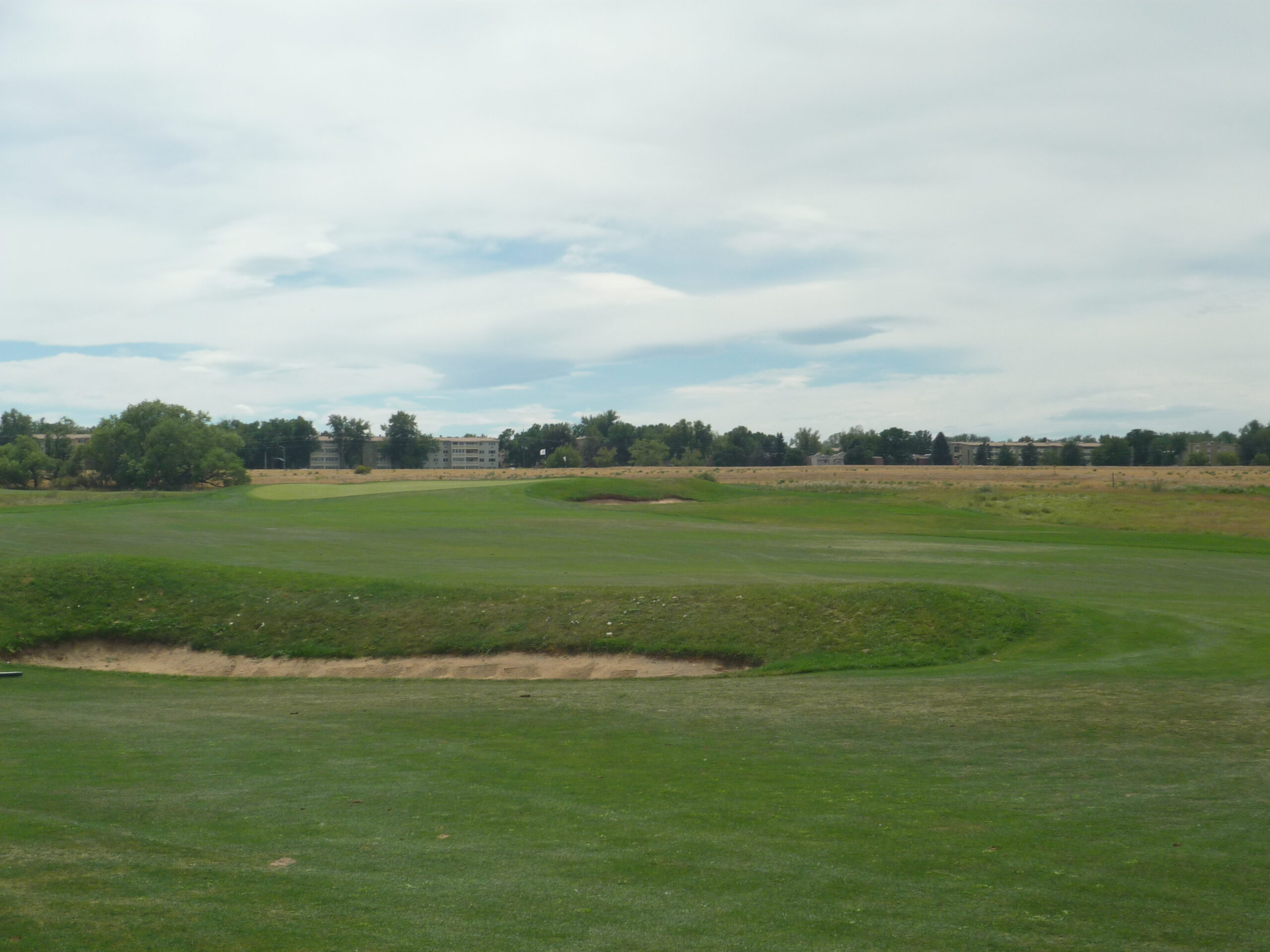
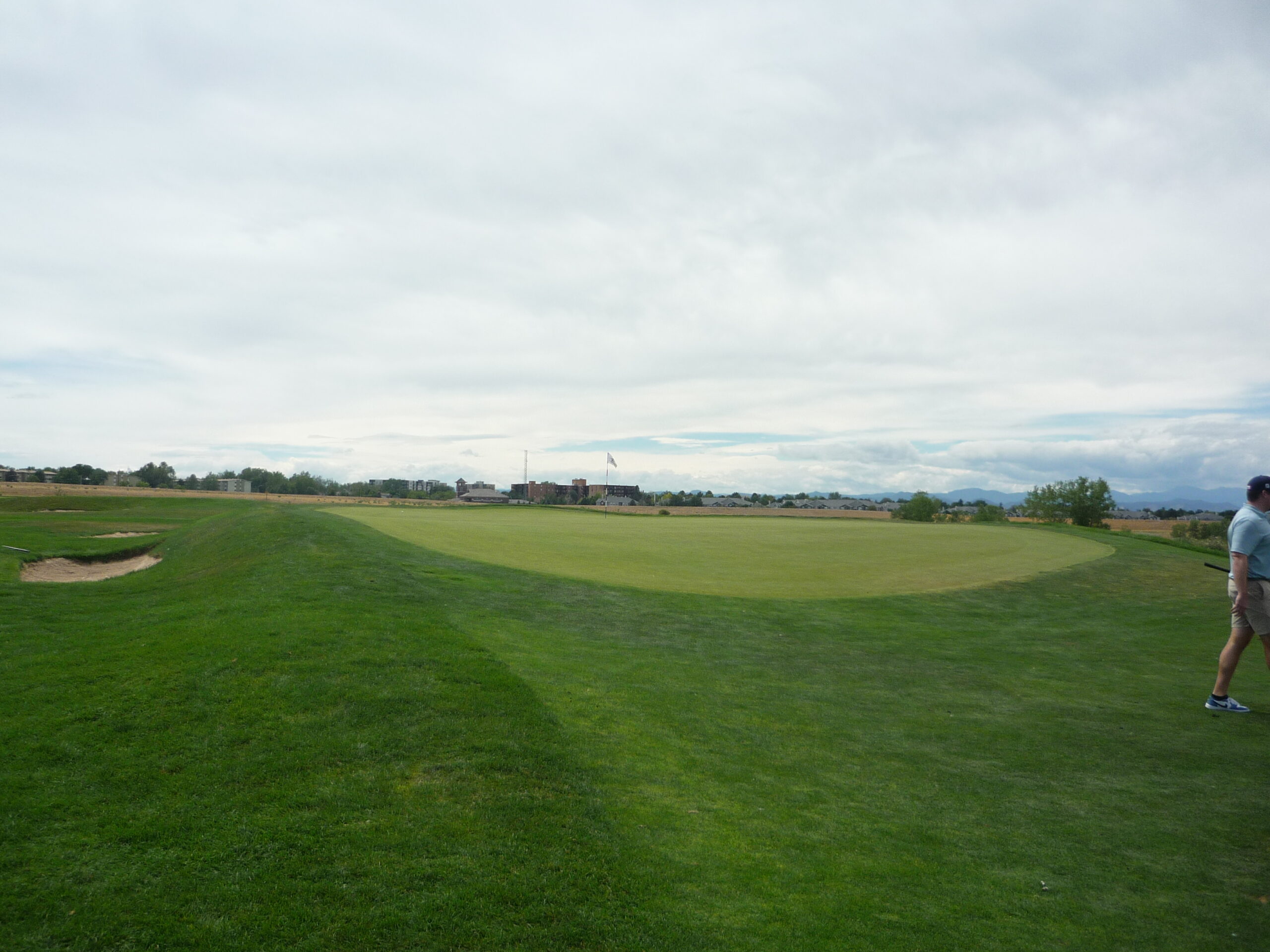
Hole 14 – 195 yards – Par 3
The theme of the par threes for the back is distance. Again, compared to the front, you’ll be hitting much longer clubs in.
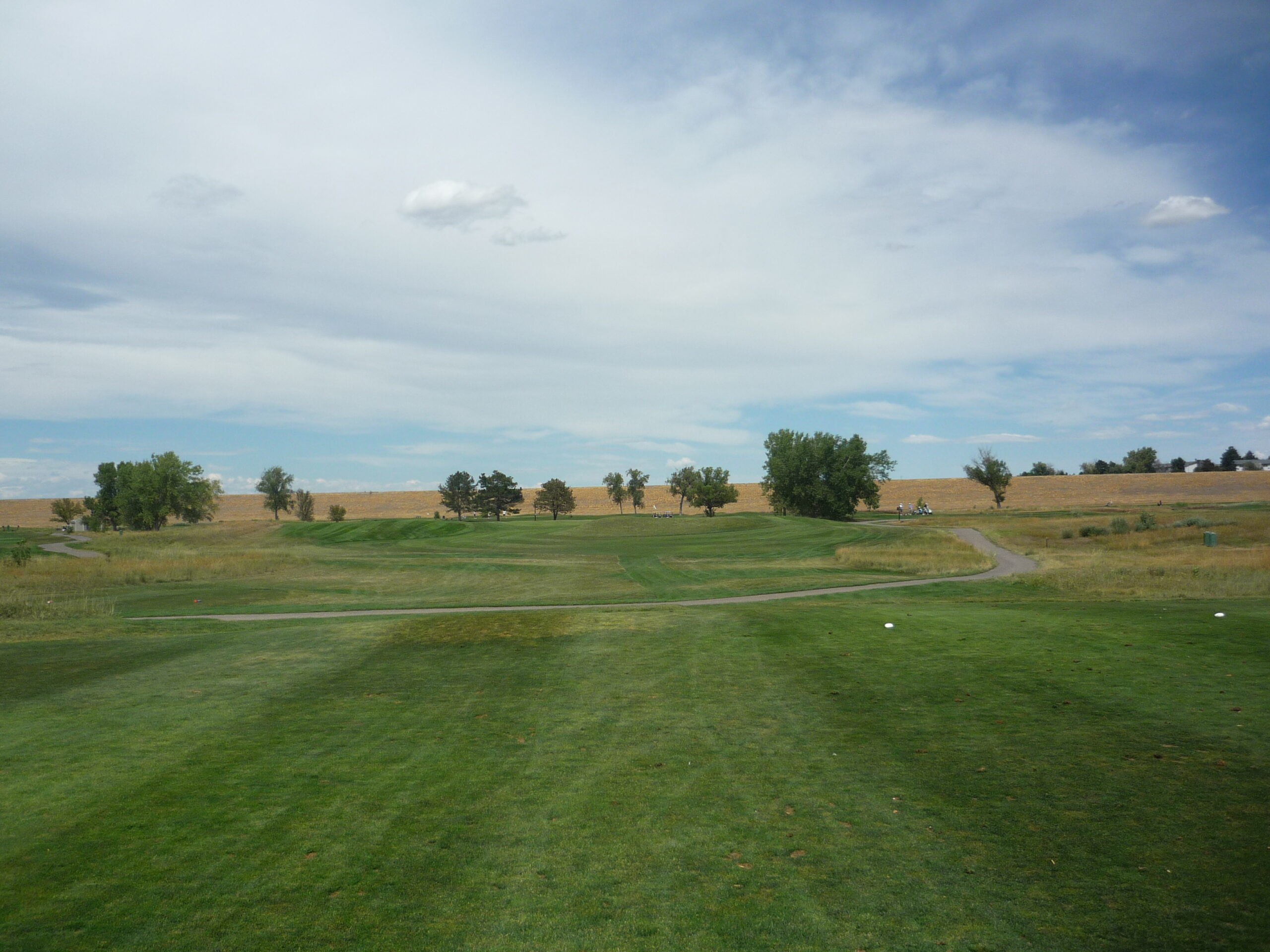
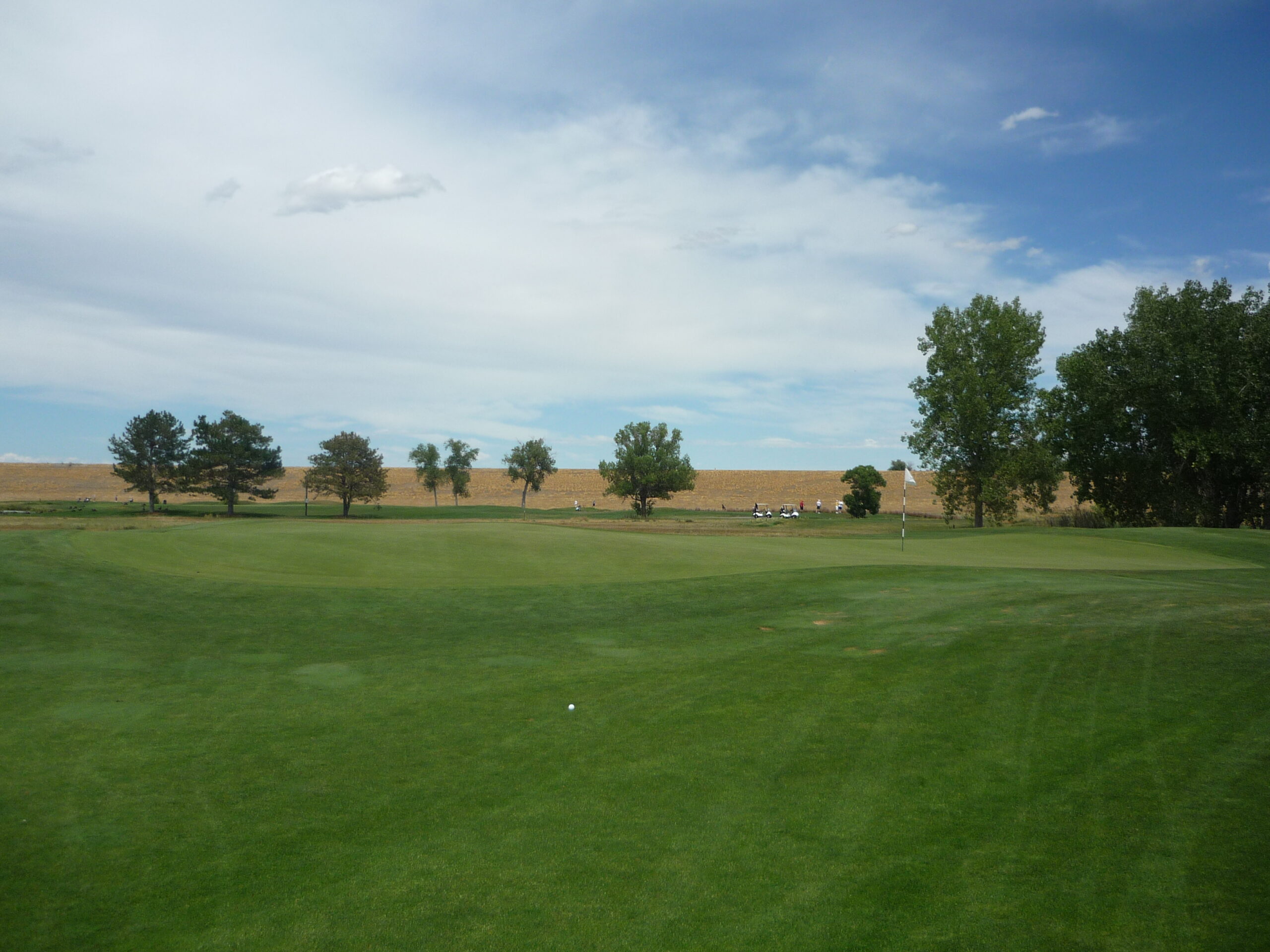
The green is a change of pace compared to the last short hole. Here there is ample sloping that makes tee shot placement very important if you want to have a makeable birdie putt.
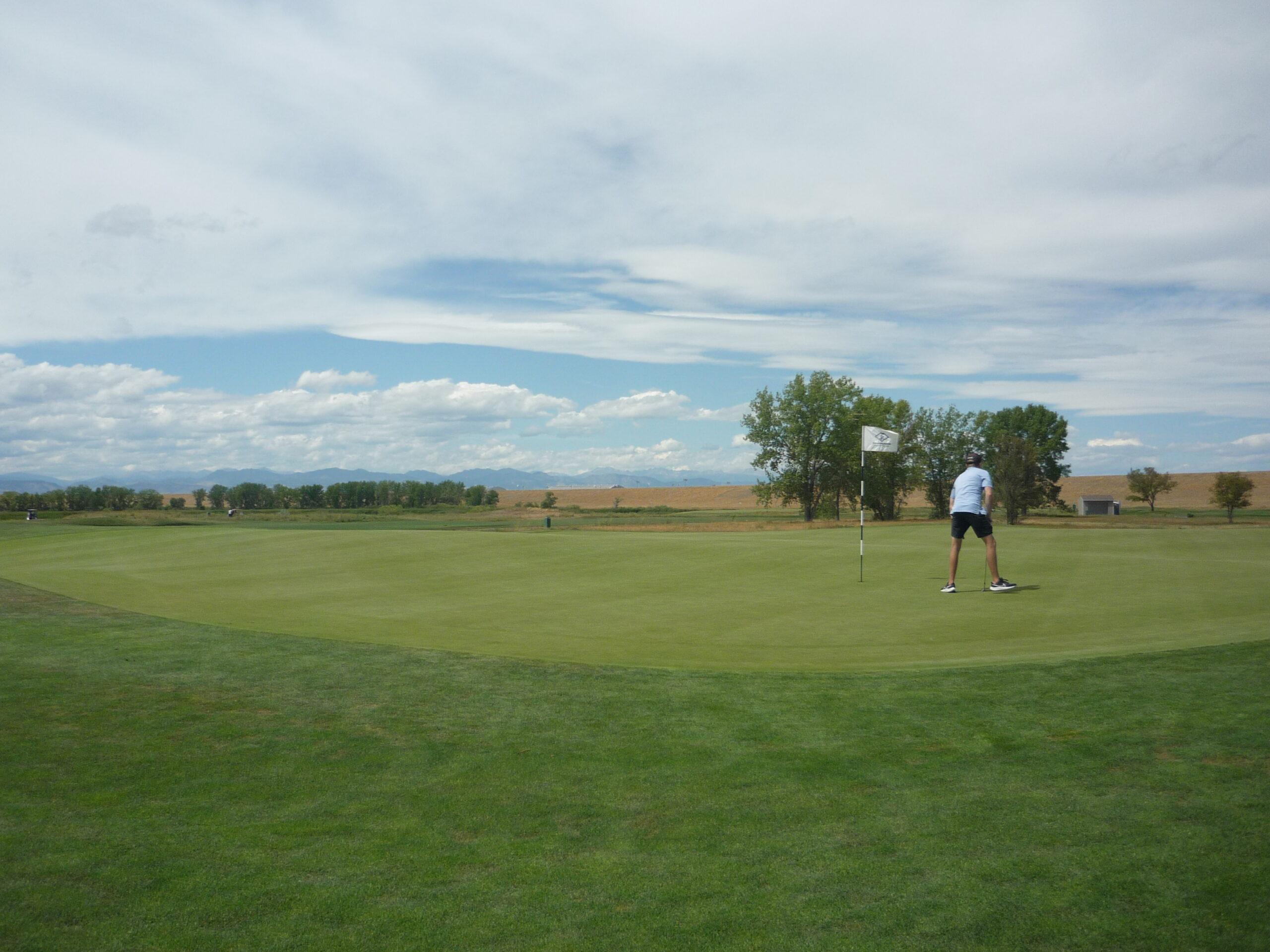
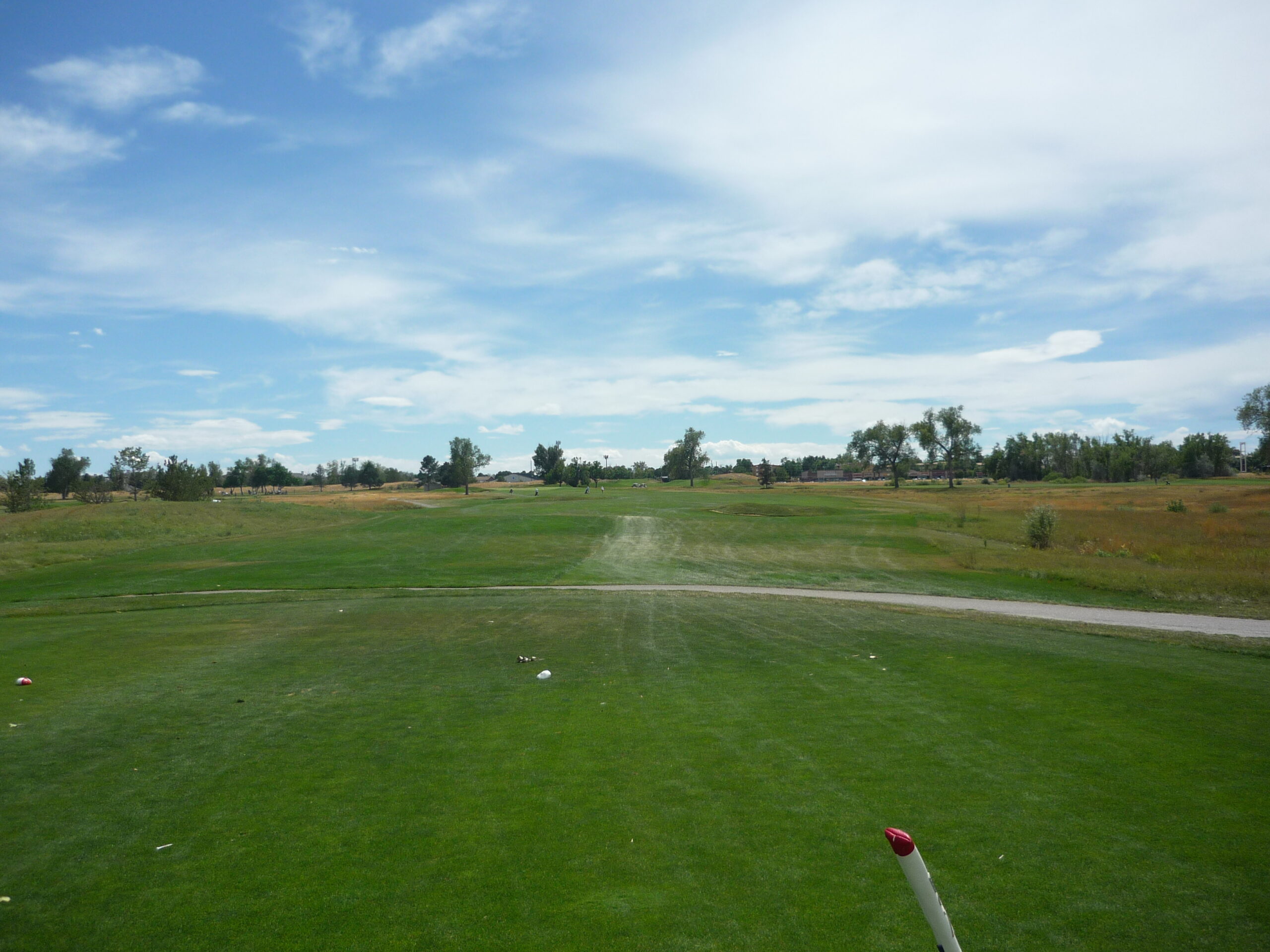
Hole 15 – 467 yards – Par 4
Even at altitude this is a tough hole that demands two well-struck shots to achieve a good score.
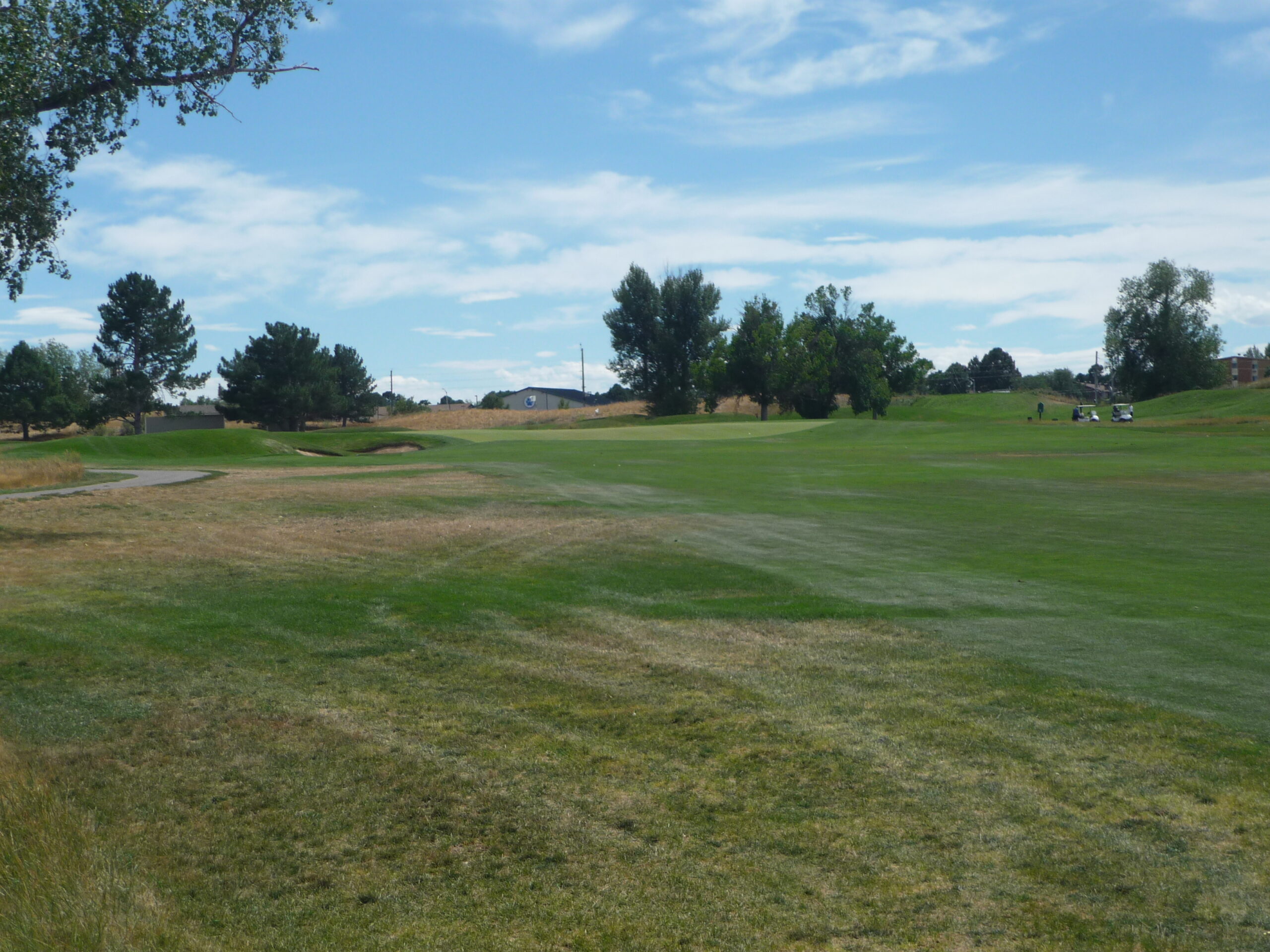
The green is a pretty big target but the bunkers are lurking.
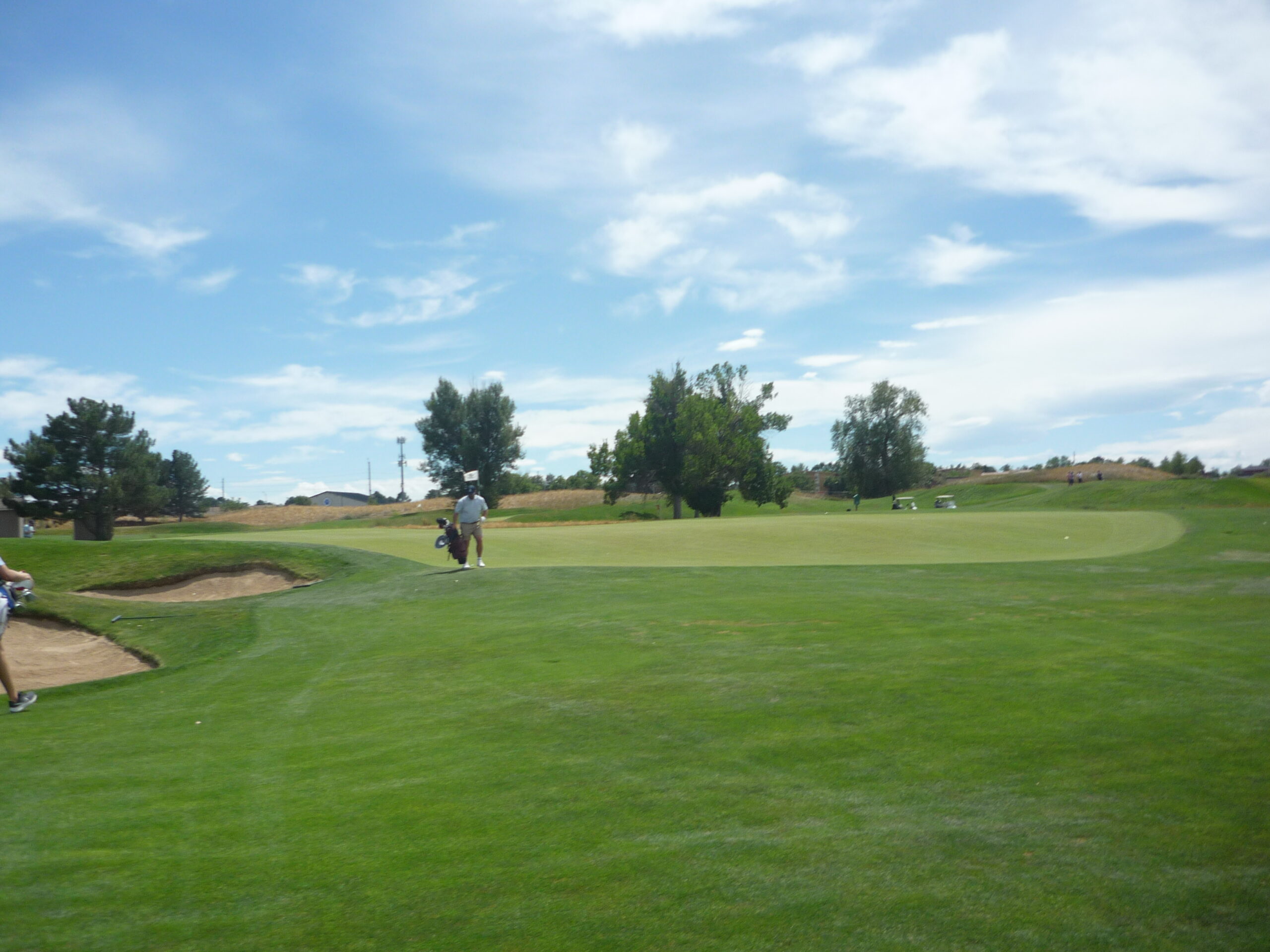
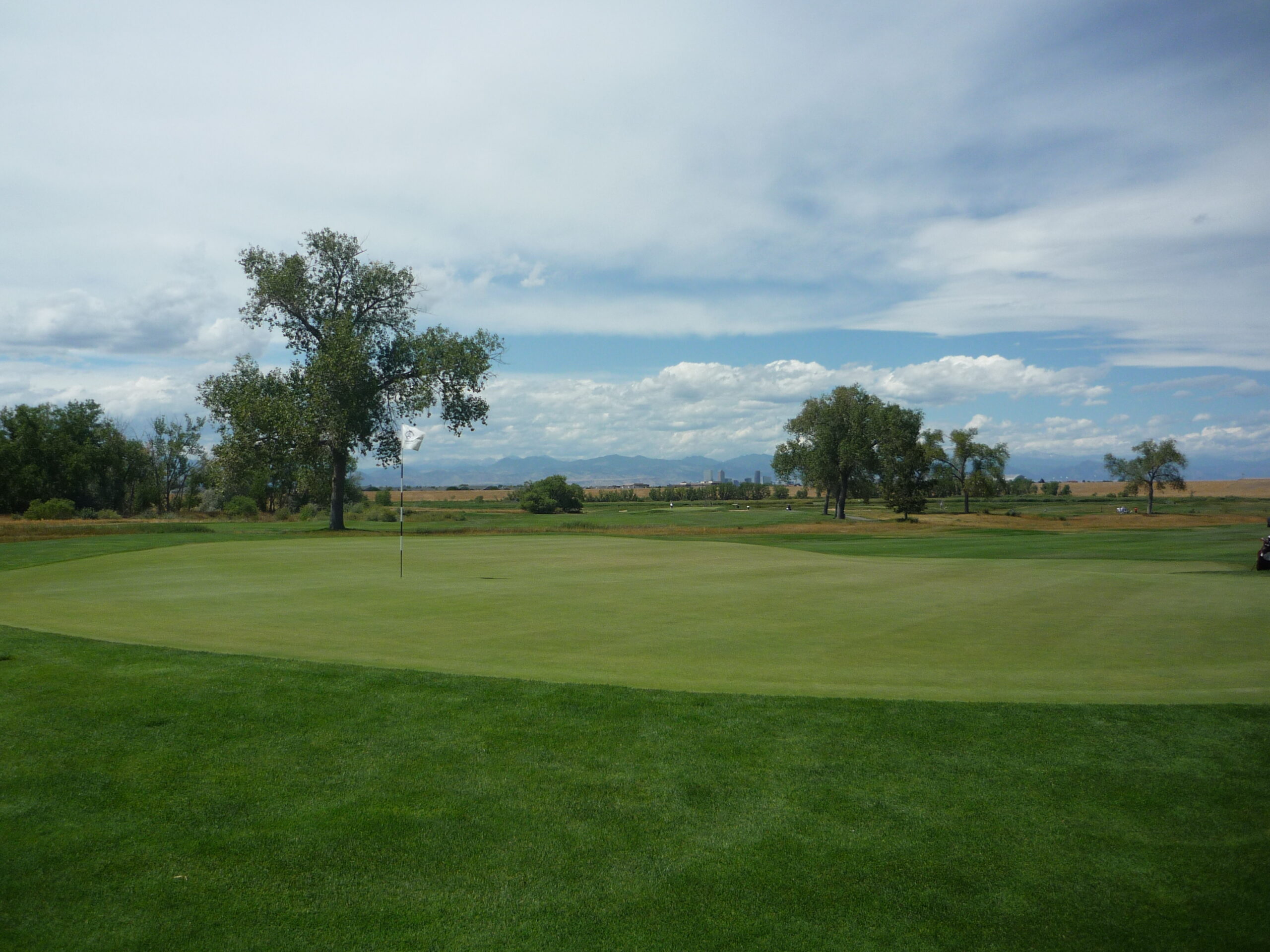
Hole 16 – 447 yards – Par 4
The aggressive line on this tee shot is over the single tree just to the left of center seen below. If you want to be more conservative, there is plenty of fairway to the right of that.
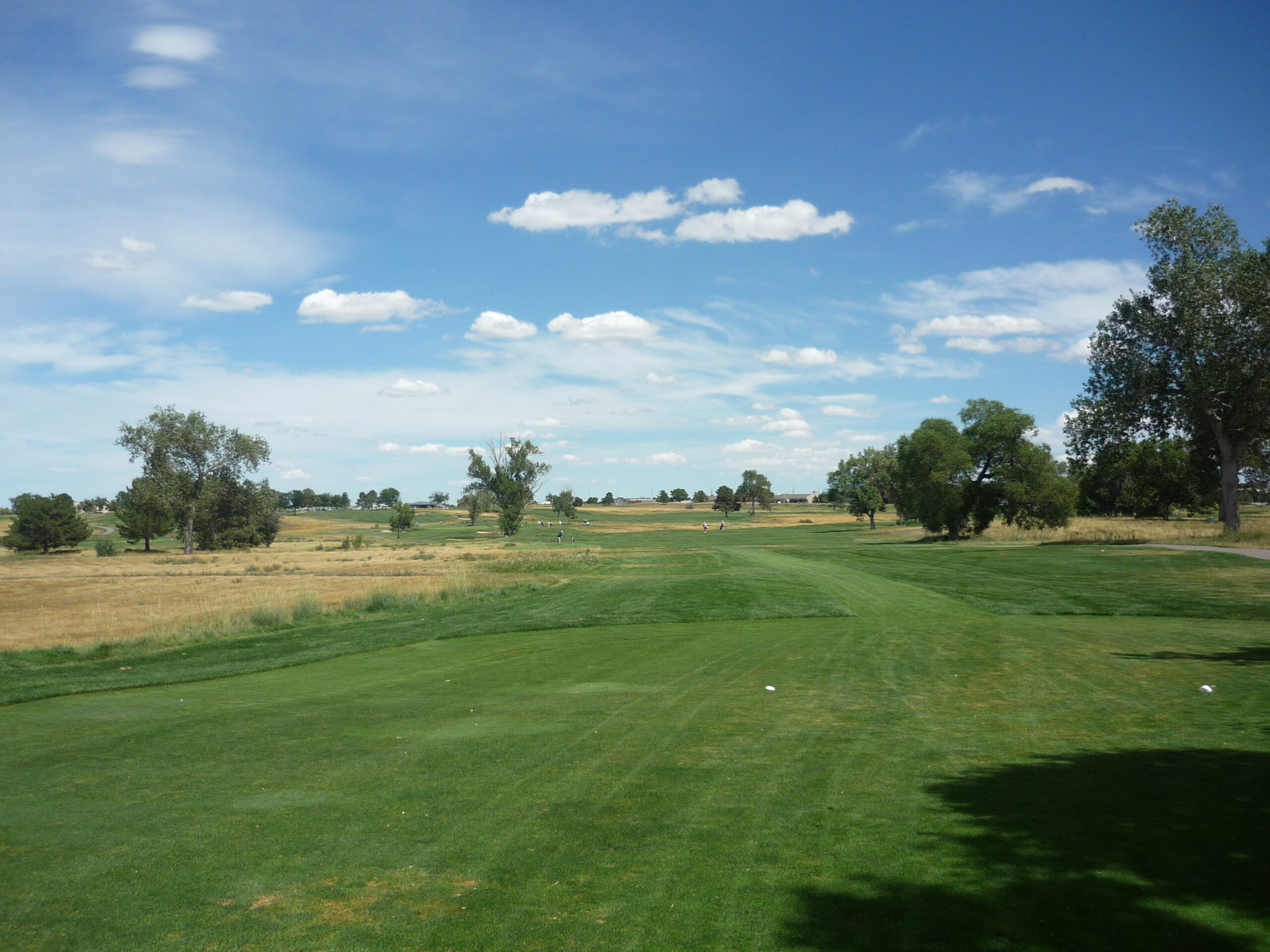
If the greens are firm or the wind is with you, you’ll want to make sure that you don’t go over this green. Chipping from the front side is much easier.
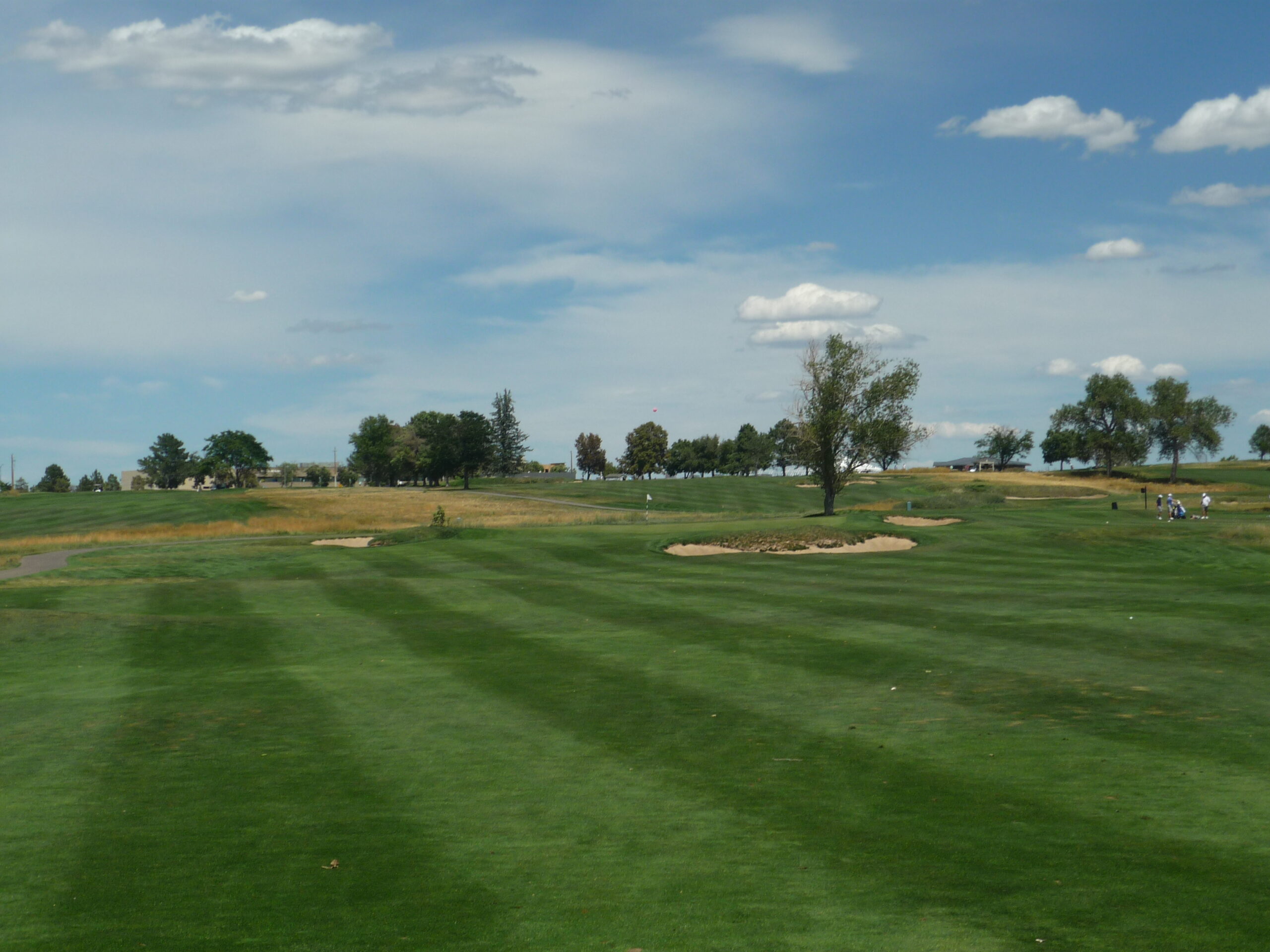
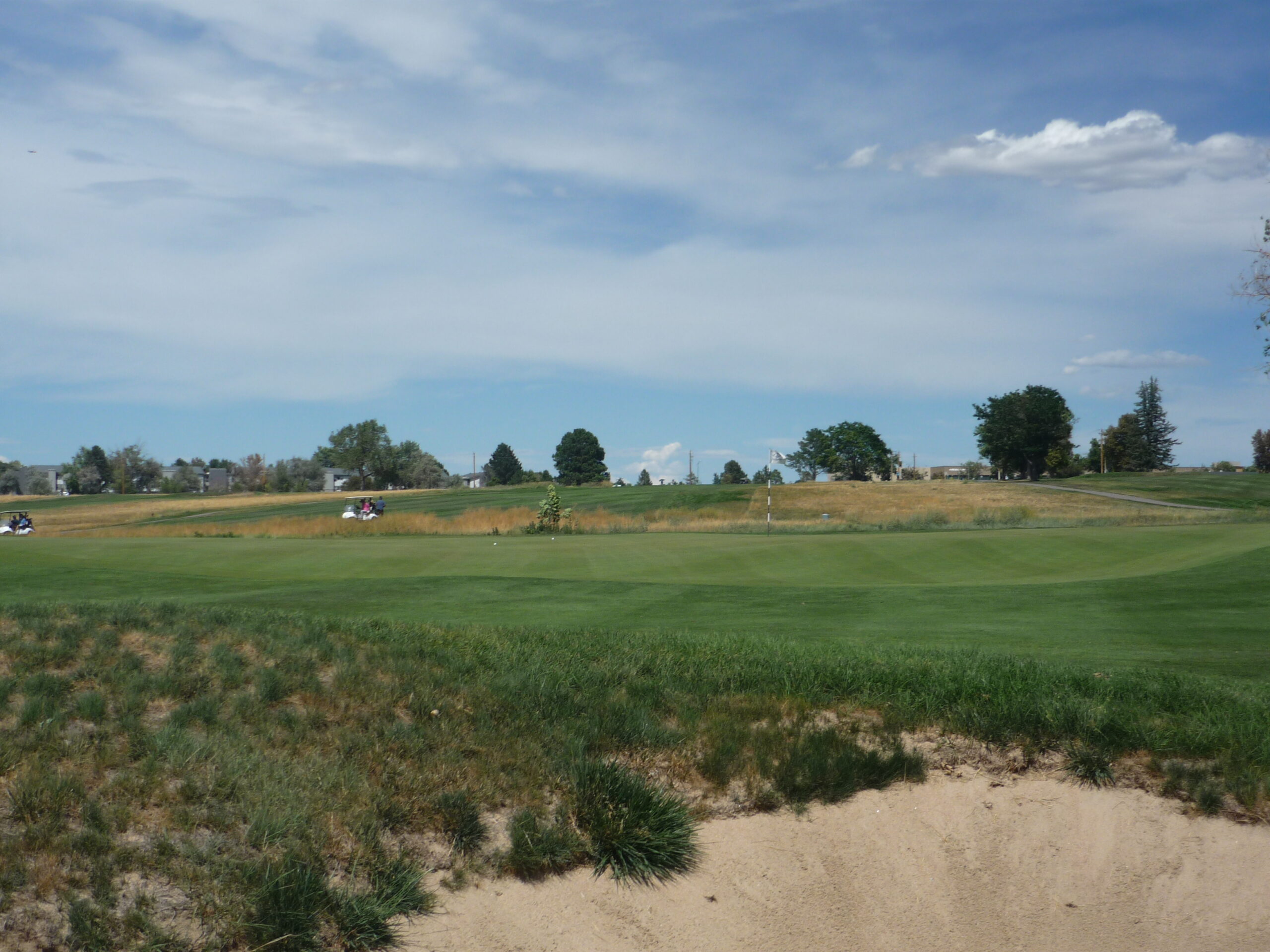
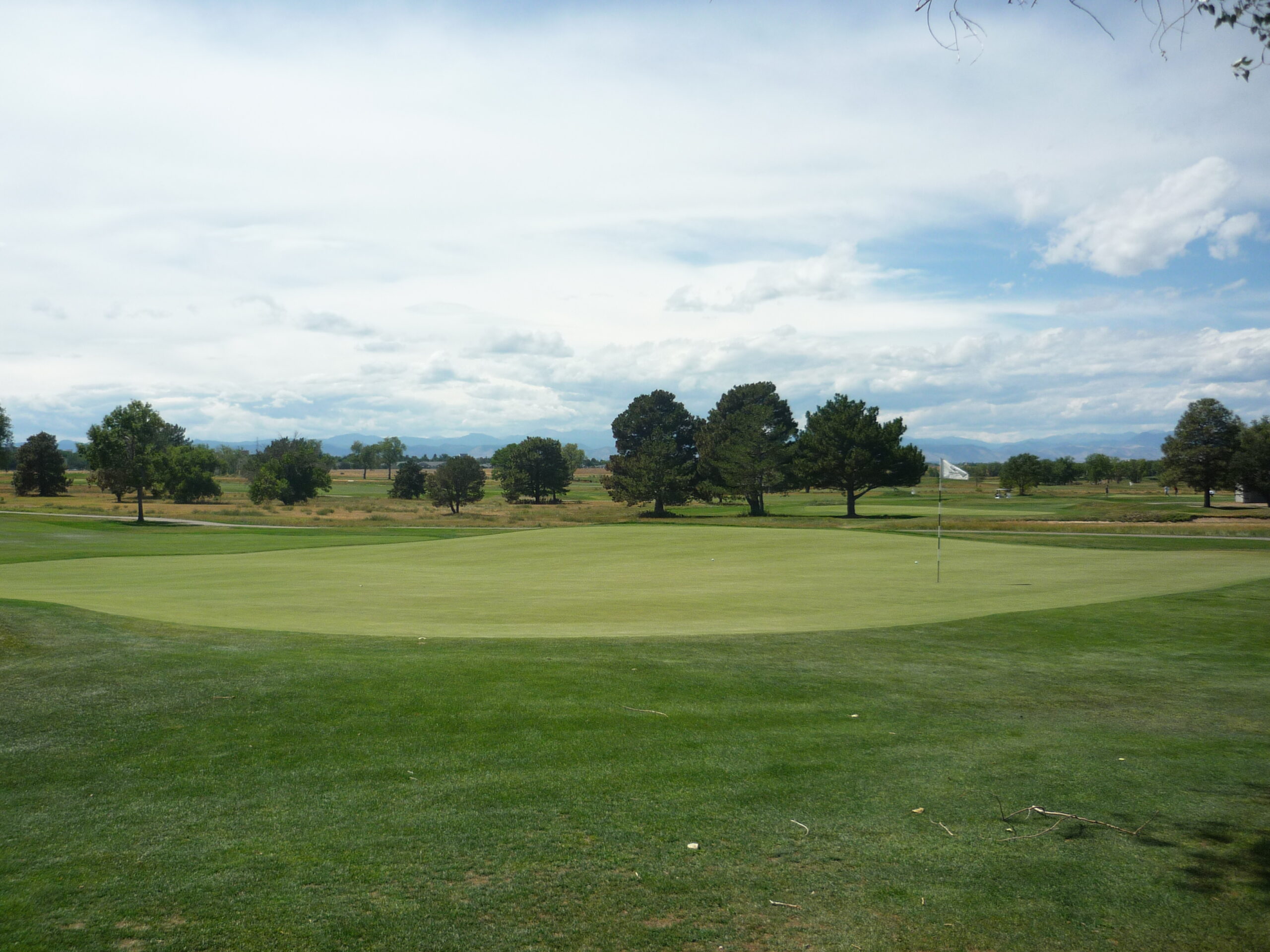
Hole 17 – 207 yards – Par 3
The last of the one-shot holes asks for another mid or long iron shot, this time to a green that is slightly elevated. With left pin positions, the left bunker is no good!
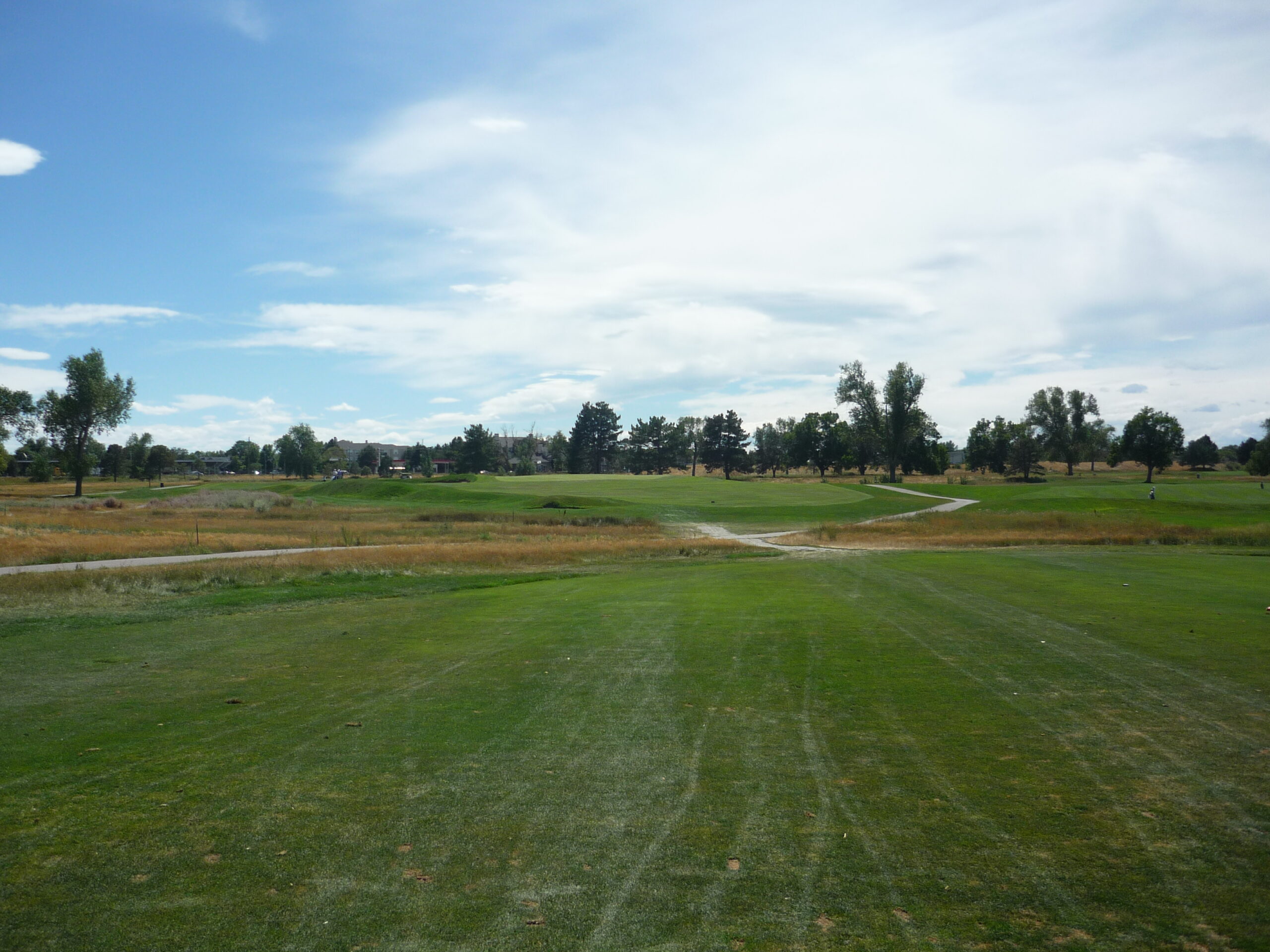
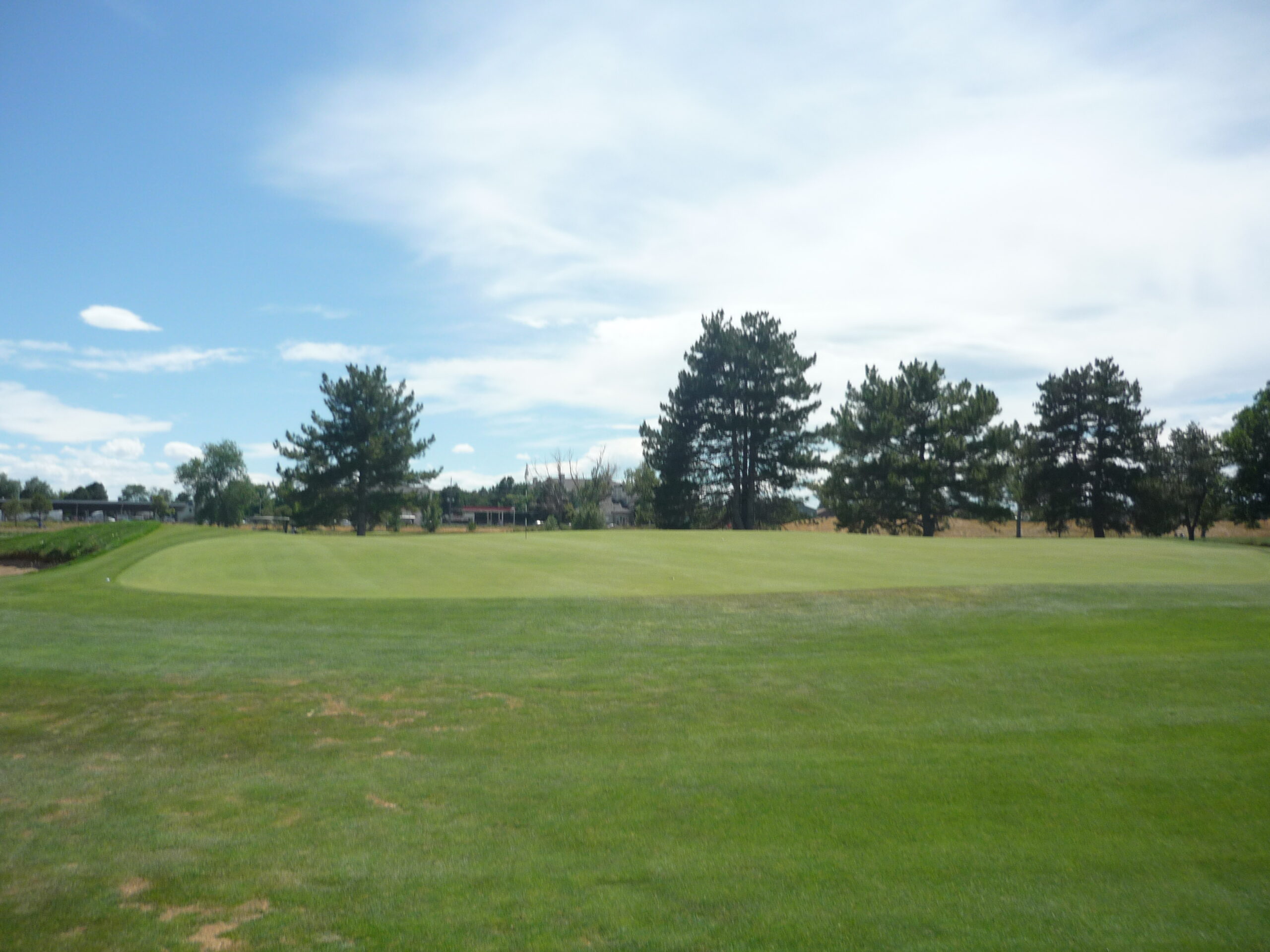
Hole 18 – 534 yards – Par 5
The final hole at Commonground allows for one last birdie opportunity. Be careful to avoid the bunkers, especially the ones on the right that will be more in play.
If you’re going for the green, make sure to go to the top of the hill to get a good sense of your line.
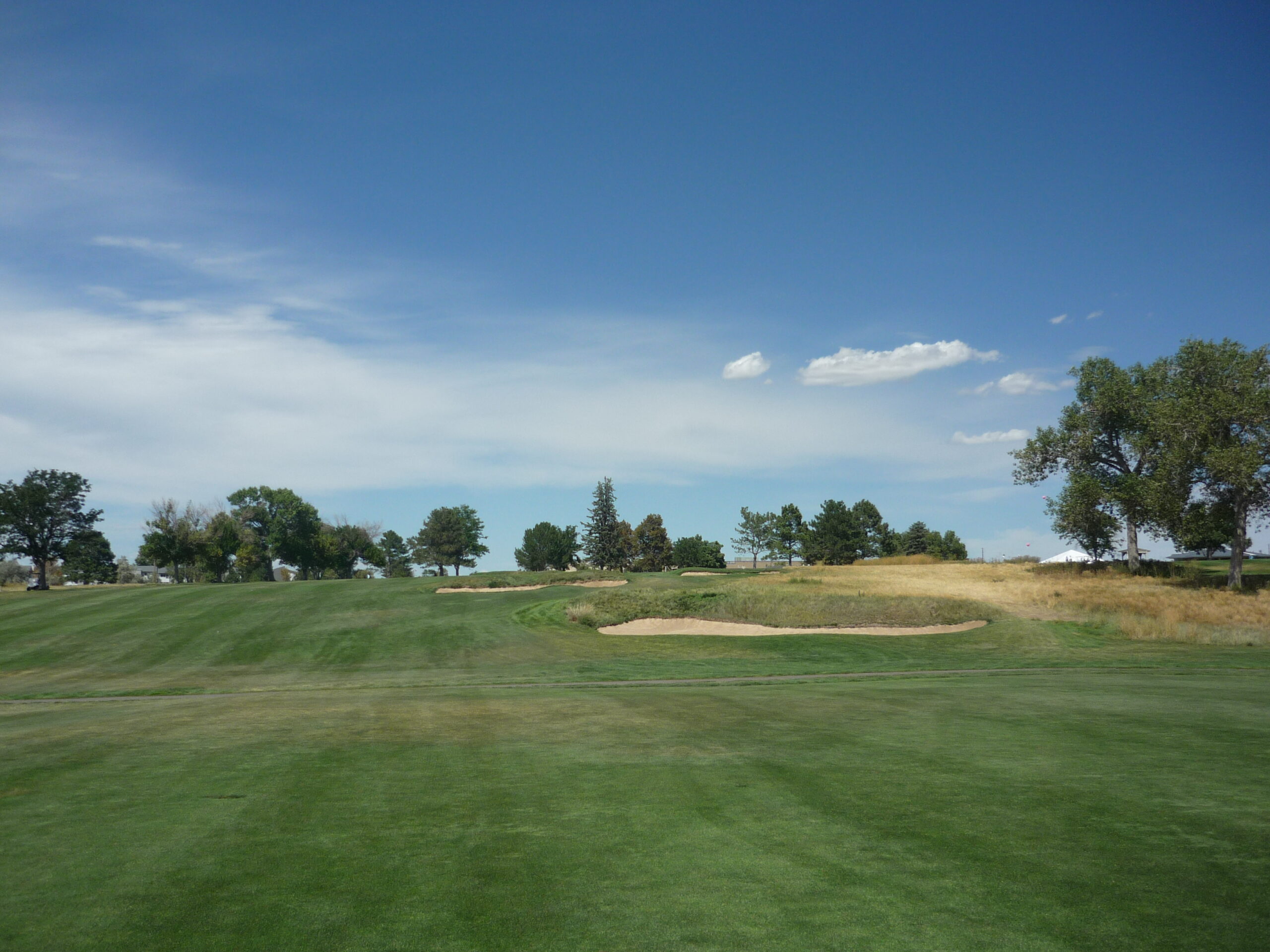
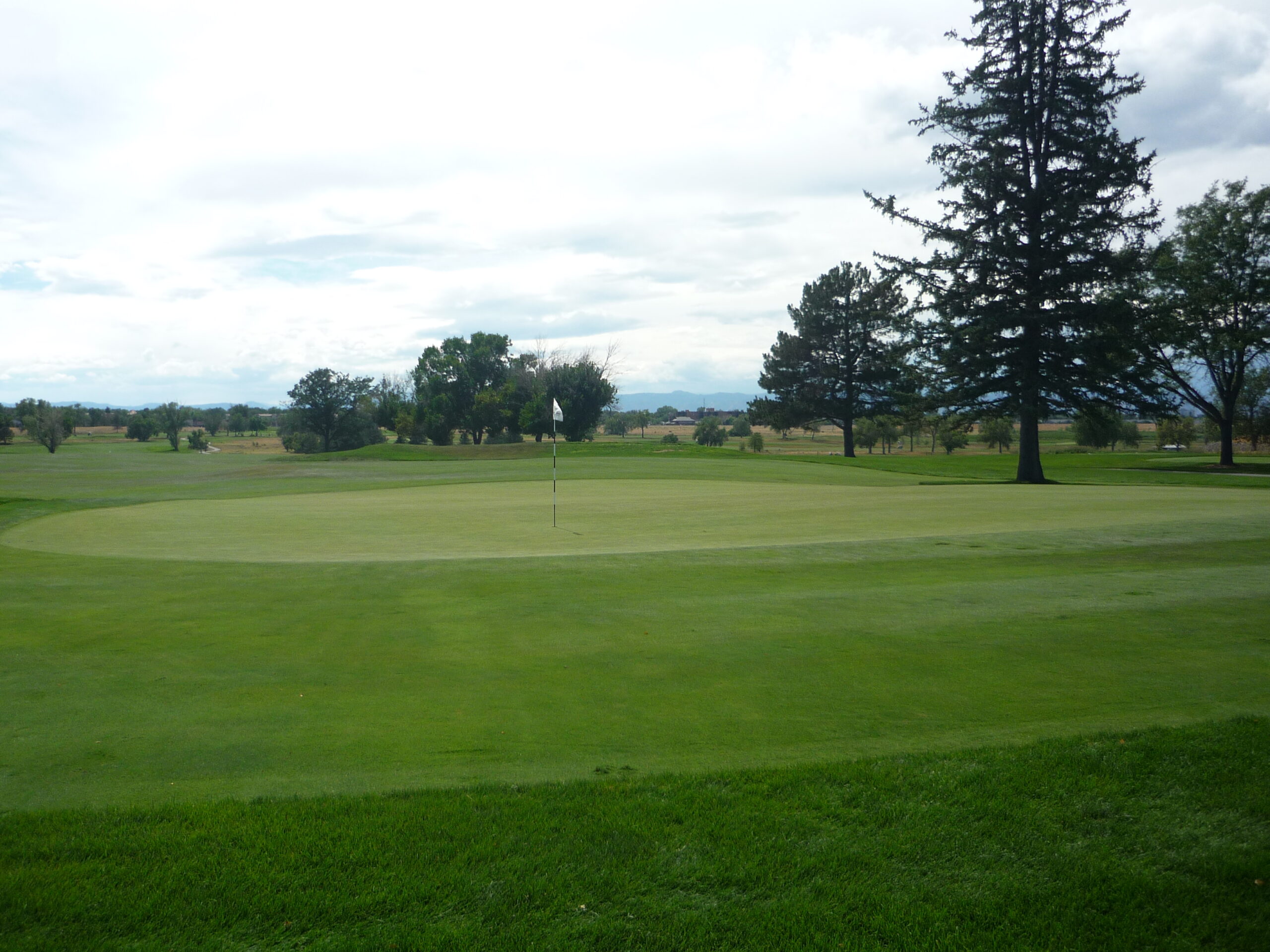
Commonground was a highly enjoyable round of golf. Its mission of catering to the locals and providing caddie opportunities to foster the golfers of tomorrow are just added bonuses for an out-of-towner like myself. If you find yourself in the Denver area and looking for a round, you’d be silly not to check out Commonground.